Author

Connie White

Browsing

The right lip colour can make even a simple everyday look feel more put together. Whether you are heading to work, meeting friends for brunch, or getting ready for a special occasion, a comfortable lip cream can add just the right touch of colour without making your makeup routine complicated. Today’s lip products are designed to offer more than colour, with formulas that focus on hydration, smooth application, and comfortable wear. From subtle everyday shades to richer tones, finding a formula that suits your style can make choosing your daily lip colour much easier.

What Makes a Good Lip Cream for Everyday Use?

A good lip product should feel comfortable from the moment you apply it. While some formulas focus on intense colour or a completely matte appearance, others offer a softer finish that keeps lips looking smooth and naturally defined.

A hydrating lip cream is worth considering if you prefer a product that combines colour with a comfortable feel. Ingredients such as vitamin E, botanical extracts, and conditioning waxes are commonly used in lip formulations to help soften and condition the lips. The texture also matters. A lightweight formula that spreads evenly can make everyday application quicker and easier.

Instead of choosing a lip colour only because it is trending, consider how it feels, how easily it blends, and whether you would enjoy wearing it throughout your day.

Explore Different Lip Crème Shades for Every Occasion

The best lip shade is often the one that fits naturally into your lifestyle. Some colours work beautifully for everyday office wear, while others can add more definition to your look for celebrations and evening plans.

Soft Shades for Everyday Looks

Nude, peach, rose, and soft pink shades are popular choices for daily makeup. They add a hint of colour without making the overall look feel too heavy. These shades pair well with minimal makeup, natural-looking blush, and simple eye makeup.

Richer Shades for Special Occasions

Berry, mauve, deeper pink, and warm brown shades can create a more noticeable finish. They work well for brunch gatherings, festive celebrations, wedding weekends, and evening outings. Having a few different lip cream shades in your collection makes it easier to switch between subtle and more defined makeup looks.

Choosing Shades for Indian Skin Tones

When selecting a lip cream for Indian skin tones, consider your natural lip colour and personal undertone. Warm peach, terracotta, rose-brown, mauve, and berry shades can offer different looks across a range of complexions.

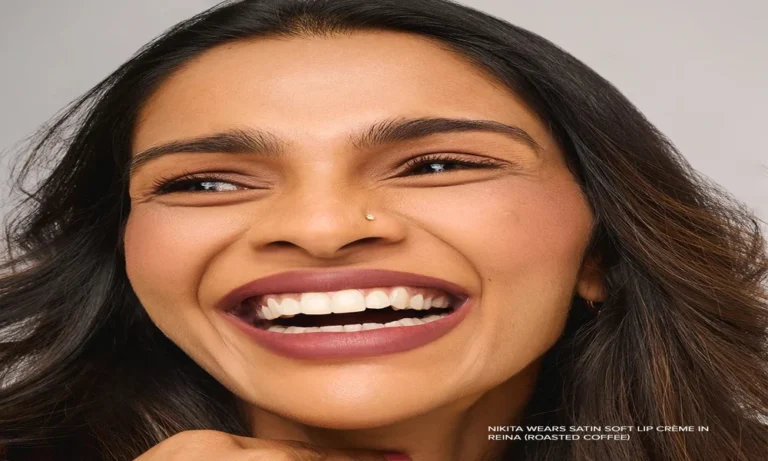
There is no single shade that works for everyone. The best approach is to experiment with colours that complement your complexion and make you feel comfortable. Collections such as Simply Nam‘s Satin Soft Lip Crème offer multiple shade options designed with everyday versatility in mind.

Why a Satin Finish Can Be a Great Everyday Choice

Lip finishes can influence the overall appearance of your makeup. Matte products generally create a flatter finish, while glossy formulas offer noticeable shine. A satin finish lip cream sits somewhere between the two, giving lips a soft appearance with a subtle sheen.

This finish can be a practical choice for people who prefer something more polished than a traditional matte colour without the high shine of a gloss. It can also complement both minimal and more detailed makeup looks.

A formula featuring botanical ingredients, vitamin E, and vegan wax can offer a combination of colour and conditioning ingredients. For example, a Satin Soft Botanical Complex containing eight botanicals, vitamin E, and vegan wax is designed to create a soft-focus satin finish while keeping lips feeling comfortable.

How to Get a Smooth and Even Lip Finish

Even a good lip product looks better when applied to properly prepared lips. Dryness, uneven texture, and leftover product can affect how colour appears.

Follow these simple application tips for a more polished result:

  • Prepare your lips: Gently remove loose, flaky skin without scrubbing aggressively.
  • Apply lip balm: Use a lightweight balm when your lips feel dry and allow it to settle.
  • Start with a small amount: Apply the colour from the centre of your lips and blend towards the edges.
  • Build the intensity: Add another layer if you prefer a richer colour.
  • Clean the edges: Use a tissue or lip brush to neaten the outline.

These steps can help create an even appearance without requiring too many products or complicated techniques.

Why Mini Lip Crème Sets Are Worth Exploring

Carrying multiple full-sized lip products can take up space in your handbag. This is one reason a mini lip cream set can be a practical addition to an everyday beauty collection.

Mini sizes make it easier to explore different shades, switch colours depending on your plans, and carry your preferred options while travelling. A travel-friendly lip makeup collection can be especially useful when moving between work, social gatherings, and weekend trips.

Before choosing a mini set, consider the shade variety, product quantity, texture, and packaging. A useful collection should offer colours that you will actually enjoy wearing rather than shades that remain unused.

Make Lip Colour Part of Your Everyday Routine

A good lip colour for everyday wear should fit effortlessly into your routine. You should be able to apply it before leaving home, carry it conveniently, and refresh your look whenever needed.

You do not always need a complete makeup look to make your lip colour stand out. A little concealer, mascara, blush, and a comfortable lip crème can create a balanced appearance. The key is to choose shades and textures that match your personal preferences rather than following every new beauty trend.

Conclusion

Finding the right lip crème is about balancing colour, comfort, texture, and convenience. From soft nude shades to richer berry tones, the right collection can make everyday makeup more versatile. A lip cream with a comfortable satin finish and conditioning ingredients can be a useful option for different occasions. Explore shades that complement your complexion, prepare your lips before application, and choose a formula that fits naturally into your daily beauty routine.
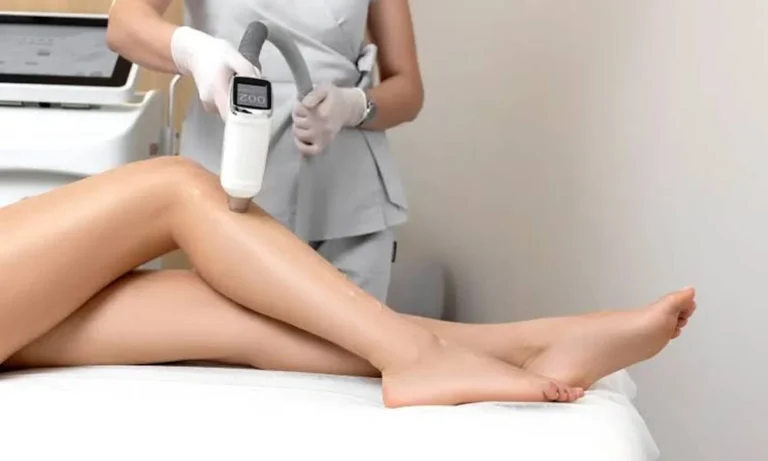

IPL is not another spelling of laser. Intense pulsed light uses a broad band of light, while a laser emits light at a specific wavelength. Both can appear in hair-reduction research, but calling every light-based appointment laser removes a real distinction from the comparison. Keep the technology name accurate before deciding what the service description tells you.

The confusion is understandable when a shortlist begins with the desired result. A person searches for less unwanted hair and collects several pages that use similar photographs and language. Once every row is labelled with the outcome, the equipment behind those offers can disappear from view. Restoring the names makes the list more informative without requiring the buyer to become an operator.

A shared purpose does not make the light source identical

The Canadian Dermatology Association’s hair-removal guide explicitly distinguishes IPL machines from lasers. It describes IPL as producing a wide bandwidth of light. The familiar abbreviation therefore identifies a technology category, rather than serving as a convenient short name for any professional laser treatment.

Health Canada’s explanation of cosmetic lasers describes a beam with a specific wavelength directed at a target tissue. For hair reduction, that target is melanin in the hair follicle. Absorbed energy becomes heat. Understanding that broad principle explains why the light source matters without supplying settings for a treatment.

Wavelength and bandwidth answer related but different questions. Wavelength identifies a position within the light spectrum. Bandwidth describes the span of wavelengths present. A particular wavelength and a broad span are not identical just because both descriptions concern light. Neither word, on its own, tells you the number of appointments you need.

Think about what happens when the word laser is used as an umbrella in a shopping note. Two physically different sources are placed under one name, so the reader may conclude that only the price or venue differs. The missing technology information has not become unimportant; it has simply been removed from the record.

Correcting the label does not establish a universal winner. A physical distinction is the beginning of an explanation, not a league table. The appropriateness of a proposed device and service still depends on the person, the intended use and the qualified professional responsible for it. Do not turn a vocabulary improvement into a claim that one category is always suitable or free of risk.

Keep the technology name attached to the actual appointment

When building a shortlist, preserve the name used for the service and record whether its technology is clearly identified. If a page says only light-based hair reduction, do not fill the gap from a photograph of equipment. Similar cabinets, handpieces or display screens are not reliable identifiers for a buyer.

A local example, Elysium Beauty’s laser service page, names several systems within its Vaughan hair-removal offering. Keep the page’s specific terminology in the comparison rather than shortening every system to the same generic entry. The next useful detail is which system is actually being proposed for the appointment you are considering.

There is an important distinction between equipment available at a business and equipment selected for one person. A menu containing several names is not a record that all of them would be used. Ask for the actual proposed technology when that detail is unclear, so the offer you evaluate is the offer being discussed.

Also distinguish the manufacturer from the treatment category. A company can make more than one kind of equipment, and a platform name may not tell a reader everything about its configuration or intended use. Avoid treating recognition of a brand as proof that the light source has been identified correctly.

Once the answer is clear, use that wording consistently in your own notes. Otherwise an accurate explanation received by email can be flattened back into “laser” when copied into a price comparison. Save the meaningful information alongside the offer instead of relying on memory to restore it later.

If you cannot establish the technology, leave the entry marked as unspecified. That is more honest and more useful than assigning a category because another branch of your search used it. The gap identifies a missing fact; it does not mean you must guess before the shortlist can be considered finished.

The category name leaves important differences within it

Even a correctly identified laser category does not complete a treatment decision. Health Canada lists device choice, operator training and skill, the energy characteristics used, and the person’s skin and hair colour among relevant factors. These are reasons to seek a properly assessed service, not instructions to choose settings from a brochure.

Keep the operator and the equipment in the same discussion. An impressive system name cannot establish who will assess you, who will perform the procedure or what experience they have with the relevant treatment. Equally, a friendly description of the provider does not identify the device. Both sides of the actual service need to be understandable.

Licensing is another specific question. Health Canada advises ensuring that a laser device is licensed for the intended procedure. A statement that a business uses modern technology does not identify that licensed use. Seek the relevant information through the provider and appropriate official sources rather than inferring it from the category name.

Do not use the comparison to reproduce a friend’s treatment plan. Even if you establish that the same category was involved, that does not establish your suitability or the appropriate delivery of care. The technology description helps you understand what is being offered; it does not turn another person’s experience into your instructions.

Return to the shortlist and correct its names. One row may now say IPL, another a named laser system and another technology not yet specified. That more accurate list is a useful result in itself: it stops a shared promise of less hair from hiding differences in the services you are actually considering.

Men’s footwear collections tend to skew heavily in one direction: too many of one style, not enough of the basics, or too conservative, where a single pair of sneakers handles everything poorly. Treating footwear as a category with distinct functional roles and buying accordingly covers more ground with fewer purchases. Two categories with the most noticeable gaps in most wardrobes are boots and casual shoes.

Men’s Footwear: Category and Occasion Overview

Different footwear categories carry different functional and stylistic responsibilities.

Category Best Occasion Key Feature Typical Material
Boots for Men Smart-casual, winter, outdoor Ankle support, durability Leather, suede
Casual Shoes for Men Daily, weekend, office-casual Comfort, versatility Leather, canvas
Sneakers Sport, casual, travel Cushioning, lightweight Mesh, synthetic
Loafers Office, smart-casual Slip-on convenience Leather
Formal Oxfords Formal events, office Polished, dress-ready Leather

Boots for Men: Occasion Range and What to Look For

Boots for men cover more occasion ground than most buyers expect. A clean leather Chelsea boot works across smart-casual offices, evening outings, and semi-formal settings depending on what it is paired with, which separates boots from more situation-specific footwear categories.

Sole construction and ankle fit are the two most important factors when buying Boots for men. A sole with good grip and cushioning makes a boot wearable across a full day. Leather Boots for men are the most durable option; suede looks better initially but needs more maintenance in wet conditions.

Casual Shoes for Men: The Daily Rotation Anchor

Casual shoes for men are the most commonly used shoe type in most wardrobes and span the widest range of daily scenarios, from leather sneakers, loafer-style shoes, canvas shoes, and low-profile athletic-inspired designs built for comfort, not performance.

Sole cushioning, toe box width, and upper material are what separate a good casual shoes for men purchase from an average one. Canvas and mesh uppers breathe better in warm weather but limit pairing with anything slightly formal. For buyers who want casual shoes for men that rotate across weekday and weekend settings, a leather or leather-look option in a neutral colour covers the most ground.

To Wrap Up

Men’s footwear works best when each pair has a clear functional role rather than one pair doing everything inadequately. AJIO has 1,000+ men’s footwear styles including boots, casual shoes and occasion, and returns are accepted within 30 days of delivery.

FAQs

What type of boots are most versatile for men?
Chelsea boots in leather or suede are hard to beat for versatility; they move easily between smart-casual, evening, and semi-formal settings without missing a beat. If you spend more time outdoors, lace-up ankle boots handle those environments a little better.

What are the best casual shoes for everyday wear?
A leather or leather-look shoe in a neutral tone is genuinely the most dependable everyday option; it works across most settings without requiring much thought about outfit coordination. Beyond that, pay attention to cushioning and toe box width, since those two things determine how comfortable the shoe actually feels after a full day.

How do I care for leather boots?
After each wear, a quick wipe with a soft brush or damp cloth keeps surface dirt from building up. Every few months, a leather conditioner prevents the material from drying out and cracking over time. Storing them with a shoe tree inside also helps them hold their shape between wears.

Can casual shoes for men be worn to a business-casual office?
Leather or leather-look shoes with a clean, minimal upper fit into most business-casual environments without any issue. Canvas styles or heavily branded athletic shoes tend to read too casual for professional settings, so those are better kept for weekends.

How do I know if a shoe fits correctly?
A thumb’s width of space between your longest toe and the end of the shoe is a good starting point. The heel should stay put when you walk, and the toe box shouldn’t squeeze the foot at its widest point.

The most satisfying lingerie purchase is often the one that feels personal. It might be a delicate pattern, a favourite colour or a shape that sits comfortably beneath everyday clothes. Body-positive dressing leaves room for all of these preferences. There is no particular figure to achieve before enjoying beautiful bodywear, and no obligation to choose something revealing. The starting point is simple: what would feel good to wear today?

Begin with choice, not a body checklist.

Lingerie shopping can become tiring when every description promises to hide, correct or minimise something. A more welcoming approach starts with taste. Someone might enjoy a high neckline, another an open back, and someone else the simplicity of a coordinated set. None of those choices needs a justification based on body shape.

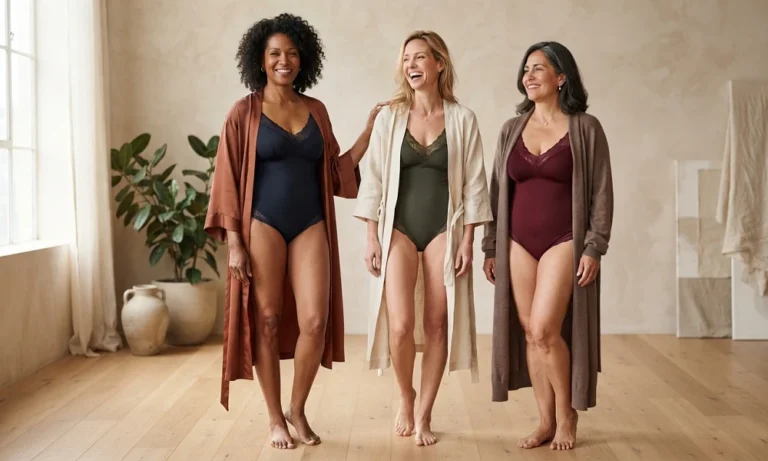
Dutch lingerie retailer LekkerStout offers bodysuits, bodystockings, lingerie sets, lingerie dresses and plus-size styles. For shoppers exploring exclusive lingerie, the collection offers different ways to match lingerie with personal taste, preferred coverage and different occasions.

There is also no need to feel enthusiastic about every reflection. Getting dressed can mean choosing something comfortable and carrying on with the day. Enjoyment is welcome; constant admiration is not a requirement.

Make comfort part of the appeal.

A beautiful photograph cannot reveal everything about how a garment will feel. When comparing bodywear, look beyond the overall silhouette. Check the stated materials, fastening positions, coverage and available adjustments. Consider whether a decorative detail will sit beneath a waistband or against a place where pressure is unwelcome.

The University of Arkansas shares steps towards a positive body image, including choosing comfortable clothing and appreciating qualities unrelated to appearance. Applied to lingerie, this encourages a practical priority: a piece should work for the person wearing it.

Once trying an item is permitted under the retailer’s policy, assess it in ordinary positions. Sit down, raise the arms and take a few steps. Notice pulling, slipping or a need for repeated adjustment. Those observations are useful information about the garment, rather than a judgment about the body.

Give “premium” a practical meaning.

Premium bodywear should be evaluated through specific details rather than a label alone. Look for clear product information, suitable materials and finishing that feels comfortable. A higher price or an elaborate design does not, by itself, establish that a piece will be the right purchase.

Think about how it will be worn. An occasional eye-catching piece might prioritise visual detail, while something intended beneath daily outfits may need unobtrusive edges and convenient fastenings. Neither purpose is more valid. A thoughtful purchase matches the intended experience.

Care requirements belong in that decision too. Read the individual care instructions before buying. Choosing a garment whose upkeep fits an existing routine makes it easier to enjoy wearing it again.

Treat sizing as product information.

Size labels are a shopping tool. Check current measurements against the information supplied for the particular item, especially when moving between separate sets and one-piece styles. With a bodysuit, consider torso length as well as the measurements listed in its guide.

LekkerStout states that it checks stretch and dimensions and translates many general labels into clearer size ranges. That guidance can help narrow the choice, but a broad range should still be read alongside the individual description. Ask for clarification when the available information leaves an important fit question unanswered.

It is sensible to review return conditions before ordering, too. Knowing the options in advance takes some pressure out of the decision.

Build a look around personal taste.

Start with one detail that feels inviting: floral lace, a geometric pattern or a colour already loved elsewhere in the wardrobe. Those who prefer more coverage can look for opaque panels or add a favourite robe. For an outfit beyond the home, an appropriately covered bodysuit can be paired with tailored trousers and a jacket.

Keep inspiration useful. The Mental Health Foundation’s body image guidance suggests reviewing social accounts and muting those that encourage unfavourable comparisons. Product images can help explain a design; they do not set a standard the shopper must match.

Choose something for the life being lived now.

Lingerie can offer a pleasurable moment of self-expression, but no purchase has to transform confidence to be worthwhile. Comfort, curiosity and enjoyment are enough. A favourite piece can remain entirely private, become part of an outfit or wait for the occasion its owner chooses.

Explore LekkerStout’s women’s collection, check the individual sizing details and choose a style that feels right for the body and preferences of today.

Read the words beside a sunscreen’s numbers before comparing bottles. An SPF value and a water-resistance claim expressed in minutes describe different information. Neither gives you a personal allowance to stay outdoors after a facial. Keep the product’s directions together with any instructions for the actual treatment, rather than choosing whichever prominent number looks largest.

This is an easy mistake to make while repacking a beauty bag. One bottle displays an SPF prominently; another gives considerable space to its water-resistance claim. A photograph crops out the small print, and the saved image becomes a shorthand shopping reference. By the time you leave for an appointment, you remember a number but not what it measured.

Find the unit beside the prominent number

Start with the complete front label, then turn the bottle around. Find SPF, any broad-spectrum wording, the water-resistance description and the directions. Do not combine the figures into a new rating. If a retailer’s image is too small to read, use the actual packaging or obtain a clear current label before relying on the image.

Health Canada’s sunscreen guidance recommends broad-spectrum SPF 30 or higher and following the label. It also explains that SPF is affected in practice by factors including how much is applied and how often. The number is not an instruction to multiply the time you would otherwise spend in sunlight.

SPF expresses relative protection against sunburn under the conditions used to assess it. Health Canada describes it by comparing how long protected and unprotected skin would take to burn when the recommended amount is used. That comparison is useful for understanding the rating; it is not a calculation that can predict your own afternoon from a remembered time to burning.

Broad-spectrum wording answers a separate question about the range of ultraviolet protection. Health Canada explains that it covers UVA and UVB; UVB is the main cause of sunburn. A shopper seeking that wider coverage needs to find the wording, rather than assume a large SPF numeral communicates every part of the label.

Water resistance describes a tested condition

The United States FDA’s label explanation describes 40- or 80-minute water-resistance claims in relation to swimming or sweating. These are US labelling examples, useful for understanding the wording a shopper may encounter. They should not replace the directions on a product sold in Canada.

Look at what surrounds the claim. The relevant information includes the activity, the reapplication directions and what happens after towelling. Reading only the minutes loses those conditions. A label is a set of connected instructions, rather than a menu from which to select the most convenient number.

Do not make water resistance the sole comparison for an afternoon that has no planned swim. You still need to understand the rest of the product and its directions. Conversely, a walk that becomes active enough to involve sweating is a reason to revisit those directions, rather than rely on the quiet itinerary you imagined in the morning.

The application clock and the water-resistance interval can begin at different moments. Someone may apply sunscreen before leaving home and start swimming much later. The product’s reapplication instructions still need reading across that sequence; the water-resistance description does not restart every other instruction when the person enters the water. Nor does towelling become irrelevant because the printed minutes have not elapsed.

A facial does not supply a new sunscreen timetable

After an esthetic service, use the instructions appropriate to the procedure you received. A general article cannot decide whether your original outdoor plan remains appropriate. If the plan depends on spending time outside, discuss it with the provider beforehand and obtain qualified healthcare advice when your circumstances require it.

Keep the appointment name with that conversation. For a chemical peel listed among the Thornhill esthetic appointment options at Santé Healing Spa, name that proposed procedure when discussing your outdoor plans. Do not carry instructions from a previous cleansing facial into a peel booking merely because both appear under esthetic services.

A practical question is whether the provider’s instructions and your intended activities can both be followed. Describe the activities accurately: an outdoor table, a walk to meet someone or a longer excursion. Do not ask for a sunscreen number that will make an incompatible plan work. Changing the outing may be the useful decision.

Record any individual instructions in their original terms. If an instruction is unclear, resolve it with the person responsible instead of translating it into the water-resistance minutes on a bottle. The treatment discussion and the sunscreen directions can remain together in your notes while retaining their separate purposes.

Take the readable bottle into the afternoon

The bottle also belongs beside the rest of the sun-protection plan. The FDA’s guidance includes shade and protective clothing, since sunscreen does not block all ultraviolet radiation. A hat or a shaded meeting place can remain part of the outing rather than disappearing when a higher-numbered bottle is purchased.

Carry a product you can identify and read. A small unlabelled container may be convenient, but it separates the contents from directions and expiry information. A saved label photograph can be helpful alongside the original product; make sure it belongs to that version, rather than an older item with similar packaging.

Health Canada advises reapplying sunscreen at least every two hours during exposure and potentially more often with swimming, sweating or towelling. It also recommends avoiding storage in extreme heat and checking expiry. These are ordinary product-use considerations, not a special routine that begins only when a facial has been booked.

Leave with the instructions available, the outing adjusted where necessary and each number attached to its meaning. You can then read a label when circumstances change, without reconstructing the afternoon around a figure that was never a personal time allowance.

Korean Skincare Routine for Beginners: Learn simple K-beauty steps, product tips, and daily habits for healthy, hydrated, glowing skin.

Can a simple skincare routine really make your skin look healthier and more radiant? Yes, and you do not need ten products to get started. A beginner Korean skincare routine focuses on gentle cleansing, hydration, targeted care, and daily sun protection. The goal is healthy, balanced, hydrated skin, not a complicated shelf full of products.

A Korean skincare routine for beginners usually includes cleansing, toner, essence, serum, moisturizer, and sunscreen. Start with a few gentle products, apply them from lightest to heaviest, and stay consistent for healthier, hydrated, glowing skin.

Peony Seoul’s beginner Korean skincare guide makes K-beauty easier to understand without overwhelming you with products. It focuses on simple steps that support hydration, comfort, and a healthy-looking glow. You can build your routine slowly based on your skin type and personal needs.

🌸 What Is Korean Skincare?

Korean skincare, often called K-beauty, is known for its focus on hydration and gentle skin care. Instead of chasing quick results, the approach encourages consistent daily habits. Many Korean beauty routines also focus on protecting the skin barrier and keeping skin comfortable. This makes the routine suitable for beginners who want a simple starting point.

The popular multi-step routine is flexible rather than mandatory. You can use three products or several products depending on your skin and goals. More steps do not automatically mean better results. Start with the basics and add products only when your skin needs them.

🧼 Step 1: Start With A Gentle Cleanser

Cleansing is the first important step in a beginner Korean skincare routine. A gentle cleanser removes sweat, dirt, excess oil, and leftover products without making your skin feel tight. Choose a formula that feels comfortable after rinsing. Avoid harsh cleansers if your skin often feels dry or irritated.

In the morning, one gentle cleanse may be enough for many people. At night, cleansing becomes especially important after sunscreen or makeup. If you wear makeup, you can use an oil cleanser or cleansing balm first, followed by a water-based cleanser.

Skin Type Cleanser Choice What To Look For
Dry Creamy cleanser Gentle, hydrating feel
Oily Light gel cleanser Comfortable oil control
Combination Mild gel cleanser Balanced cleansing
Sensitive Fragrance-free cleanser Minimal, gentle formula

💧 Step 2: Add A Hydrating Toner

A Korean toner is often used to add lightweight hydration after cleansing. Modern toners are usually much gentler than older astringent formulas. They can help your skin feel softer and more comfortable before applying other products. Look for ingredients such as glycerin, hyaluronic acid, panthenol, or soothing plant extracts.

You do not need to soak your face with toner. Apply a small amount with clean hands and gently pat it into the skin. If your skin feels comfortable after cleansing, toner can be a useful but optional step.

✨ Step 3: Try An Essence

Essence is one of the products often associated with Korean skincare. It usually has a lightweight texture and focuses on hydration and skin comfort. Some essences may also contain ingredients that support a brighter, smoother-looking complexion. However, an essence is not essential for every beginner.

If you are building your first routine, add an essence after you understand how your skin reacts to the basics. Apply a small amount after toner and before serum. Give each layer a moment to settle instead of applying too much product at once.

✨ Beginner tip: Hydration does not have to feel heavy. Lightweight layers can help your skin feel comfortable without creating a greasy finish.

🎯 Step 4: Choose A Serum For Your Skin Goals

Serums contain concentrated ingredients designed for specific skin concerns. Your choice should depend on what you want to improve rather than what is trending online. For example, niacinamide is commonly used for the look of uneven tone and excess oil. Hydrating serums can be useful when skin feels dry or dehydrated.

Avoid adding several powerful serums at the same time. Start with one product and give your skin time to adjust. This also makes it easier to identify which product is helping or causing irritation.

Skin Goal Helpful Ingredient Beginner-Friendly Focus
Hydration Hyaluronic acid Adds moisture
Uneven-looking tone Niacinamide Supports a brighter appearance
Dryness Panthenol Helps support comfort
Dull-looking skin Vitamin C Supports brighter-looking skin
Skin barrier support Ceramides Helps maintain the barrier

🧴 Step 5: Lock In Moisture With A Moisturizer

Moisturizer helps reduce moisture loss and supports the skin barrier. Even oily skin can benefit from moisturizing. The key is choosing a texture that matches your skin type. Gel creams may feel comfortable on oily skin, while richer creams can suit dry skin.

Apply moisturizer after your lighter products have settled. You only need enough to create a comfortable layer over your skin. If your face feels greasy afterward, try using less product or choosing a lighter formula.

☀️ Step 6: Never Skip Sunscreen

Sunscreen is one of the most important steps in any daytime skincare routine. It helps protect skin from UV exposure, which can contribute to premature skin aging and uneven-looking pigmentation. Choose a broad-spectrum SPF 30 or higher sunscreen for everyday use.

Apply sunscreen as the final morning skincare step. Reapply when needed, especially during extended outdoor exposure. Remember that a beautiful skincare routine cannot replace daily sun protection.

🌙 Step 7: Build A Simple Night Routine

Your nighttime routine can be slightly different from your morning routine. Start by removing makeup and sunscreen, then cleanse your skin thoroughly. Follow with toner, essence, serum, and moisturizer if those products suit your routine.

You do not need every step every night. Beginners often get better results by keeping their routine consistent and manageable. A simple routine that you follow regularly is more useful than a complicated routine you rarely use.

A basic nighttime order looks like this:

  1. Cleansing balm or oil, if needed
  2. Gentle water-based cleanser
  3. Toner
  4. Essence
  5. Serum
  6. Moisturizer

🧖 Step 8: Add Exfoliation Carefully

Exfoliation can help remove dead surface skin cells and improve the look of rough texture. However, it is easy to overdo this step. Using several exfoliating products together may leave your skin feeling dry, sensitive, or uncomfortable.

Beginners should start slowly rather than exfoliating every day. Choose either a gentle chemical exfoliant or another suitable exfoliating product. Always follow the product instructions and pay attention to how your skin responds.

🧪 Step 9: Understand Skin Types Before Buying

Knowing your skin type can make choosing Korean skincare products much easier. Dry skin may feel tight and benefit from richer hydration. Oily skin often looks shiny and may prefer lightweight products. Combination skin can have both oily and dry areas.

Sensitive skin requires extra care when introducing new products. Look for simple formulas and introduce one new product at a time. Patch testing can also help you spot potential reactions before using a product across your entire face.

Skin Type Routine Priority Texture To Consider
Dry Moisture and barrier care Creams and rich lotions
Oily Lightweight hydration Gels and watery formulas
Combination Balance Light creams or gel creams
Sensitive Gentle care Simple, fragrance-free formulas

🛍️ Step 10: Do Not Buy Every K-Beauty Product

Korean skincare can be exciting because there are so many interesting products available. However, buying everything at once can make your routine confusing and expensive. It can also make it difficult to know which product is responsible for a reaction.

Start with a four-product foundation if you want to keep things simple:

  • Gentle cleanser
  • Hydrating moisturizer
  • One targeted serum
  • Daily sunscreen

Once these products work well for you, consider adding toner or essence. Build your routine based on your skin rather than following a fixed number of steps.

🚫 Step 11: Avoid Common Beginner Mistakes

One common mistake is changing products too frequently. Skin often needs time to adjust, and constantly switching products makes it difficult to judge results. Another mistake is using too many active ingredients at once.

You should also avoid scrubbing your face aggressively. Strong fragrance, harsh exfoliation, and excessive cleansing may make your skin uncomfortable. Healthy skin does not need to feel squeaky clean. It should generally feel comfortable, clean, and hydrated.

📋 Step 12: Follow The Right Product Order

The basic Korean skincare order follows a simple rule: apply lighter products before heavier ones. This allows watery products to go on first, followed by thicker formulas. Sunscreen comes last in the morning because it creates a protective layer over your skincare.

Your routine does not need to be perfect every day. If you are tired, focus on the essentials. Consistency matters much more than following a long routine without fail.

Morning ☀️ Evening 🌙
Gentle cleanser Makeup/sunscreen remover
Toner, optional Gentle cleanser
Essence, optional Toner, optional
Serum Essence, optional
Moisturizer Serum
Sunscreen Moisturizer

🌟 How Long Does Korean Skincare Take To Work?

Skincare results rarely happen overnight. Hydration may make your skin feel smoother fairly quickly, while concerns such as uneven tone or texture can take longer. Your results will also depend on your skin type, products, consistency, and lifestyle.

Instead of checking your skin every morning for dramatic changes, focus on gradual improvements. Notice whether your skin feels more comfortable and hydrated. If a product causes persistent burning, swelling, or significant irritation, stop using it and consider professional advice.

💖 Final Takeaways For Beginners

A Korean skincare routine does not need to be complicated to be effective. Start with cleansing, moisturizing, and sunscreen, then add hydration and targeted products as needed. This approach keeps your routine simple while giving you room to understand your skin.

Remember these key points:

  • Keep your routine simple at first.
  • Choose products according to your skin type.
  • Introduce new products gradually.
  • Do not over-exfoliate.
  • Use sunscreen every morning.
  • Give your routine time to work.
  • Listen to how your skin feels.

The real secret behind beginner-friendly K-beauty is consistency. 🌸 Build a routine you can comfortably follow every day, and let healthy-looking skin develop gradually.

❓ FAQs About Korean Skincare For Beginners

What Is The Best Korean Routine For Beginners?

A simple routine includes cleanser, moisturizer, and sunscreen. You can later add toner, essence, or serum. Start slowly so your skin can adjust.

How Many Korean Products Should I Use?

Beginners can start with three to four products. A cleanser, moisturizer, serum, and sunscreen are enough for a basic routine. Add other products only when you need them.

What Goes First In Korean Skincare?

Apply products from the lightest texture to the heaviest. Cleanser comes first, followed by toner and other lightweight products. Finish with moisturizer and sunscreen in the morning.

Is Korean Skincare Good For Sensitive Skin?

Korean skincare can work well for sensitive skin when gentle products are chosen. Look for simple formulas and avoid introducing several actives together. Always pay attention to how your skin reacts.

Can Beginners Use Korean Serums Daily?

Some gentle serums can be used daily, depending on their ingredients. Start once daily or according to the product directions. Strong active ingredients may require a slower introduction.

Finding a facial sunscreen that provides effective protection without leaving behind a heavy, oily residue can feel like a challenge. Many people skip sunscreen because they dislike the greasy feeling some formulas leave on the skin. Fortunately, modern sun protection products are designed with lightweight textures that absorb quickly and feel comfortable throughout the day.

If you’re searching for the best sun creams for your face, knowing what ingredients and formulas to look for can help you find a product that fits your skin type and daily routine.

Why Lightweight Sunscreen Matters

Daily sun protection is essential for maintaining healthy-looking skin. Exposure to UV rays can contribute to:

  • Premature aging
  • Uneven skin tone
  • Dark spots and hyperpigmentation
  • Fine lines and wrinkles
  • Sunburn and skin damage

The good news is that today’s best sun creams for the face are formulated to provide broad-spectrum protection without the thick, greasy feel associated with older sunscreen products.

What Makes a Sun Cream Feel Lightweight?

Not all sunscreens are created equal. Some formulas are specifically designed to absorb quickly and leave a comfortable finish.

Look for features such as:

  • Fast-absorbing textures
  • Non-greasy formulations
  • Lightweight fluids or gels
  • Oil-free ingredients
  • Invisible or sheer finishes

These characteristics help sunscreen blend seamlessly into your skincare routine while remaining comfortable under makeup or on bare skin.

Best Ingredients for Lightweight Sun Protection

Hyaluronic Acid

This moisture-attracting ingredient helps keep skin hydrated without adding heaviness.

Benefits include:

  • Lightweight hydration
  • Improved skin comfort
  • Smoother-looking skin

Antioxidants

Ingredients such as Vitamin E can help support the skin’s defense against environmental stressors.

Advantages:

  • Additional skin protection
  • Support for healthy-looking skin
  • Improved overall skin care benefits

Oil-Control Technology

Many products designed as sunscreen for oily skin with SPF 50 include ingredients that help absorb excess oil and reduce shine throughout the day.

These formulas can help:

  • Control greasy-looking skin
  • Maintain a matte finish
  • Improve comfort in humid weather

Choosing the Right Sunscreen for Oily Skin

Individuals with oily or combination skin often struggle to find a sunscreen that doesn’t feel heavy.

When selecting a sunscreen for oily skin SPF 50, look for:

  • Non-comedogenic formulas
  • Lightweight textures
  • Matte-finish products
  • Oil-free ingredients
  • Broad-spectrum UV protection

These features can help protect the skin without contributing to excess shine or clogged pores.

Sun Creams for Sensitive Skin

Sensitive skin requires special consideration when choosing sun protection.

A quality sun cream for sensitive skin formula should prioritize both protection and comfort.

Look for products that are:

  • Dermatologically tested
  • Fragrance-free when possible
  • Suitable for sensitive skin types
  • Gentle enough for daily use

Using the right sun cream for sensitive skin product can help minimize irritation while ensuring reliable UV protection.

Signs You’ve Found the Right Sunscreen

The ideal sunscreen should feel so comfortable that you forget you’re wearing it.

A good lightweight sunscreen will:

  • Absorb quickly
  • Leave minimal residue
  • Work well under makeup
  • Avoid pilling or flaking
  • Keep skin feeling comfortable throughout the day

Many of the best sun creams for the face are specifically formulated to meet these expectations while delivering effective protection.

Tips for Applying Sunscreen Correctly

Even the best sunscreen can only provide optimal protection when applied properly.

Follow these simple tips:

  • Apply sunscreen as the final step in your morning skincare routine.
  • Use enough product to cover your entire face and neck.
  • Reapply every two hours when outdoors.
  • Don’t forget commonly missed areas such as ears and hairlines.
  • Apply sunscreen daily, even on cloudy days.

Consistency is one of the most important factors in maintaining healthy, protected skin.

Conclusion

The days of thick, greasy sunscreens are largely behind us. Modern formulas offer lightweight textures, powerful UV protection, and comfortable wear for a variety of skin types. Whether you’re looking for a sunscreen for oily skin SPF 50 or a gentle sun cream sensitive skin formula, there are plenty of options designed to fit seamlessly into your daily routine. By choosing a lightweight sunscreen and using it consistently, you can help protect your skin while keeping it comfortable, fresh, and healthy-looking every day.

The Japanese head spa treatment has moved from a niche curiosity to one of the most searched-for beauty services in the UK. Searches for head spa treatments have risen sharply over the past couple of years, driven by social media exposure and a growing mainstream appetite for wellness treatments that address both the physical condition of the scalp and the mental relief of genuine therapeutic relaxation. For salon owners who are adding this treatment to their menu, or building a dedicated head spa studio from the ground up, the chair is not a supporting piece of equipment. It is the centre of the entire experience, and head spa chairs deserve considerably more attention in the planning process than many operators give them.

Why the Chair Is Not Interchangeable with a Standard Backwash Unit

A standard salon backwash unit is designed primarily for hair washing as a functional step in a cut or colour service. A head spa chair is designed for an extended treatment, typically 45 to 90 minutes, where the client’s comfort throughout the entire session is central to the therapeutic value of the experience. The difference in how these two types of equipment approach the client’s body position, neck support, and overall comfort over an extended period is significant.

The Japanese head spa technique involves extended scalp massage, acupressure, deep cleansing, and a range of manipulations that require the therapist to work around a client who is completely relaxed and in a sustained reclined position. A client who shifts position repeatedly because the chair is not adequately supporting their neck, lower back, or legs is not experiencing the full therapeutic benefit of the treatment. The chair is not background furniture. It is the foundation of the client experience.

What Separates a Good Head Spa Chair from an Adequate One

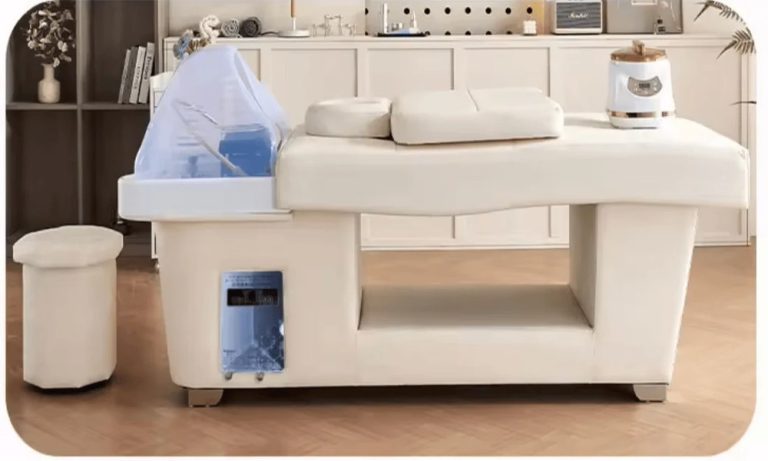
The key functional requirements for a head spa chair are specific and worth understanding before you purchase. Neck support that accommodates a range of client heights without requiring adjustment during the treatment. A recline mechanism that allows the therapist to position the client correctly for different stages of the treatment without disturbing their relaxation. Adequate cushioning and upholstery quality for the sustained contact of a long treatment. A basin design that allows water to drain effectively without pooling and that positions the client’s head correctly relative to the therapist’s working position.

Heating functions built into the seat and footrest, a feature common in Japanese-specification head spa chairs, contribute to the overall sense of warmth and relaxation that makes the treatment genuinely different from a standard salon service. This is not a luxury addition. In a treatment where relaxation is the primary therapeutic mechanism, it is a functional component.

The Investment Case for Salon Owners

The Japanese head spa tops current UK spa trend rankings, and the treatment commands a price point that reflects its premium positioning. Sessions typically run from £60 to £120 or more depending on duration and location, with high urban demand and consistent rebooking rates among clients who experience it for the first time. For a salon with the right equipment and trained therapists, the revenue per treatment hour compares very favourably with most other services on the menu.

The chair is the single largest capital investment in setting up a head spa service, and it is the component that most directly determines the quality of the client experience. Buying on price and discovering that the chair does not support the quality of treatment you want to deliver is a costly mistake to make at the start of a new service offering.

The Authenticity Point

Clients who have discovered Japanese head spa through social media or through a genuine Japanese head spa experience are increasingly sophisticated about what the treatment should feel like. The equipment, the technique, and the overall sensory environment all contribute to a sense of authenticity that commands premium pricing and generates the word-of-mouth and social sharing that drives ongoing bookings. A chair that looks attractive in the studio but does not deliver the right client experience undermines that authenticity at the most fundamental level.

The Closing Thought

The Japanese head spa is not a passing trend. It is a treatment that addresses a genuine and growing demand for wellness experiences that combine physical benefit with deep relaxation. Building it properly, with the right chair at the centre of the experience, is the difference between a service that delivers on its promise and one that approximates it. In a treatment category where the experience is everything, that distinction matters.

Launching a successful fashion brand requires more than creative ideas and strong marketing. Behind every successful collection is a reliable production partner capable of delivering quality, consistency, and flexibility. This is why more global brands are choosing a portugal clothing manufacturer to produce modern apparel collections for European and international markets.

Portugal has become one of the most respected garment manufacturing destinations in Europe. Known for its premium textiles, skilled craftsmanship, and advanced production capabilities, the country offers solutions for startups, established labels, and fast-growing online brands alike.

From fitness apparel to premium urban fashion, Portuguese factories continue to attract businesses looking for dependable production and long-term partnerships.

Portugal’s Reputation for Premium Apparel Production

Portuguese garment manufacturing has evolved significantly over the last decade. The country is no longer seen only as a traditional textile market. Today, it represents innovation, premium quality, and modern fashion manufacturing.

Many brands actively search for a streetwear manufacturer portugal because Portuguese factories understand contemporary fashion trends and high-end garment construction. They work with heavyweight fabrics, custom dyeing methods, premium embroidery, and oversized fits that are currently dominating global fashion markets.

Portugal’s proximity to major European markets also creates logistical advantages. Shipping times are shorter, communication is smoother, and quality checks are easier compared to overseas production in distant regions.

This combination of quality and convenience makes Portugal especially appealing for fashion entrepreneurs focused on long-term brand growth.

Why Activewear Production in Portugal Is Growing Rapidly

The global sportswear industry continues expanding as consumers increasingly prioritize comfort, fitness, and lifestyle clothing. As demand grows, many businesses are looking for an experienced activewear manufacturer portugal capable of producing technical garments with premium performance features.

Portuguese factories specialize in advanced sportswear production, including:

• Stretch performance fabrics
• Breathable materials
• Compression garments
• Seamless construction
• Moisture management technology
• Sustainable athletic fabrics

Brands benefit from the ability to create products that combine functionality with premium design aesthetics. Portuguese activewear production often focuses on smaller details that improve customer experience, such as stitching precision, fabric softness, and ergonomic fits.

This attention to detail helps brands position themselves in higher-value market segments where customers are willing to pay more for quality.

Flexible Manufacturing for Emerging Brands

Many fashion startups struggle to find factories willing to produce smaller quantities. Large manufacturers often require high minimum order volumes that create financial pressure for smaller businesses.

This is one reason why demand for a low moq clothing manufacturer portugal continues increasing. Portuguese factories are often more flexible and open to working with independent labels, niche brands, and online stores testing new products.

Lower MOQ production allows businesses to:

• Launch collections with less financial risk
• Experiment with multiple product styles
• Release limited editions
• Test customer demand before scaling
• Reduce dead inventory

This flexibility is especially valuable in today’s fashion environment where trends change rapidly and consumers constantly seek new products.

For many entrepreneurs, working with a flexible Portuguese manufacturer creates the opportunity to grow gradually while maintaining professional product quality from the beginning.

White Label Manufacturing Simplifies Brand Launches

Fashion businesses looking for faster market entry often explore white label clothing portugal services. White label production allows brands to customize existing garment templates rather than developing products entirely from scratch.

This approach dramatically reduces development time and production complexity while still allowing brands to build a unique visual identity.

Portuguese white label manufacturers often provide:

• Custom neck labels
• Private packaging
• Embroidery options
• Screen printing
• Fabric selection
• Custom sizing adjustments

White label solutions are particularly popular for brands focused on essentials, streetwear basics, activewear, and lifestyle apparel.

Because Portuguese factories emphasize premium quality, even white label garments often feel significantly more luxurious than low-cost mass-produced alternatives.

Sustainability Matters More Than Ever

Modern consumers increasingly evaluate how and where products are manufactured. Ethical sourcing, environmental responsibility, and sustainable production methods have become major factors in purchasing decisions.

Portugal has responded strongly to these expectations. Many manufacturers now prioritize eco-conscious production methods and sustainable textile innovation.

Working with a portugal clothing manufacturer can help brands align with modern sustainability values through:

• Organic cotton fabrics
• Recycled polyester materials
• Reduced water consumption
• Eco-friendly dyeing processes
• Ethical labor standards
• Renewable energy usage

Sustainability is no longer just a marketing advantage. For many customers, it has become an expectation.

Brands that can combine premium design with responsible manufacturing often build stronger long-term customer loyalty.

Portugal’s Advantage in Modern Streetwear

Streetwear continues dominating fashion culture worldwide. However, modern streetwear consumers expect premium quality, heavyweight materials, and carefully crafted garments.

This is where a skilled streetwear manufacturer portugal becomes especially valuable.

Portuguese factories are highly experienced in producing fashion-forward streetwear pieces such as:

• Oversized hoodies
• Heavy cotton T-shirts
• Garment-washed sweatshirts
• Relaxed-fit joggers
• Premium basics
• High-quality fleece apparel

Factories often collaborate closely with brands during product development to refine fits, materials, and finishing details. This collaborative approach helps brands create collections that feel authentic and premium.

Building a Strong Long-Term Fashion Brand

Choosing the right production partner directly impacts brand reputation, customer satisfaction, and scalability. A reliable activewear manufacturer portugal or low moq clothing manufacturer portugal can help businesses avoid common production problems while supporting long-term growth.

Portugal’s fashion manufacturing industry continues gaining global recognition because it combines European craftsmanship, modern technology, and production flexibility in a way that few markets can match.

For brands seeking premium quality, ethical manufacturing, faster communication, and scalable production solutions, Portugal remains one of the strongest choices in today’s competitive apparel industry.

Lip blush sits between skincare and cosmetic tattooing. It adds soft colour, refines the border, and corrects uneven tone without the heaviness of lipstick. Most clients ask one question before booking: how long will it last? The answer depends on skin, lifestyle, pigment choice, and aftercare. In most cases, you can expect results to last two to three years, with a refresh recommended far sooner to maintain crisp colour.

Average Longevity of Lip Blush

Lip blush typically holds visible colour for 18 to 36 months. That does not mean the lips look bold for three full years. The colour peaks after the top-up session, then gradually softens. During the first week, lips appear darker and slightly swollen. By week two, the shade settles. At six weeks, you see the true healed result. That tone remains stable for many months. After the first year, you may notice subtle fading along the lip line. By year two, colour looks lighter and less defined. Some clients still enjoy a tint at year three, though it appears sheer. A 12–18 month colour boost keeps the lips fresh and defined. Without it, fading continues until the pigment becomes barely visible.

Skin Type and Metabolism Matter

Your body breaks down pigment at its own pace. If you have a fast metabolism, your immune system clears pigment more quickly. The same applies if you exercise several times a week. Increased circulation affects retention. Dry lips tend to hold colour better. Oily skin around the mouth can reduce longevity. Frequent lip licking also strips healing pigment during the early stages. Mature lips may retain colour well but can heal slightly softer in tone. Younger clients often notice stronger initial results. Yet fading can occur fast if lifestyle habits interfere. Hydration plays a major role. Dehydrated lips crack. Cracked lips lose pigment.

Pigment Choice Influences Wear

Colour depth affects lifespan. A nude or blush pink fades sooner than a richer rose or berry tone. Lighter pigments contain fewer dense colour particles. They soften faster under UV exposure and daily wear. Bold shades last longer because they deposit more saturation into the lip tissue. However, most clients prefer a natural tint. That choice shortens visible longevity. Corrective work also impacts durability. If a technician neutralises dark lips first, that session may require extra layering. Without proper saturation, fading accelerates. High-quality pigment resists colour shift. Poor formulations turn orange or dull brown as they break down. Quality determines stability.

Sun Exposure Reduces Lip Blush Lifespan

Lips sit directly in the sun. UV rays break down pigment rapidly. Regular sunbathing, holidays abroad, and tanning beds all can shorten retention. Even daily walks without SPF lip balm contribute to fading. You must treat lip blush like skincare. Apply a broad-spectrum SPF lip product whenever you go outdoors. Reapply often. Heat also affects pigment. Saunas and steam rooms in the first two weeks after treatment can cause premature loss. Long-term exposure continues to weaken colour strength.

Aftercare Determines Early Retention

Healing decides whether pigment settles evenly. For the first ten days, avoid spicy foods, alcohol, and excessive friction. Drink through a straw where possible. Keep lips clean. Apply the recommended balm sparingly. Do not pick flaking skin. Do not peel dryness. Let the lips shed naturally. Failure during this stage causes patchy healing. Patchy healing leads to faster fading. A top-up appointment six to eight weeks later strengthens colour and balances tone. Skipping this session reduces the overall lifespan.

Lifestyle and Skincare Habits

Daily habits shape results. If you use retinol around the mouth, stop at least one week before treatment and resume cautiously afterwards. Strong exfoliants increase cell turnover. Faster turnover equals quicker fading. Smoking reduces circulation and affects pigment. Frequent lip filler treatments may also alter retention, depending on timing. Regular use of matte lipsticks dries the lips. In this case, dry, cracked tissue struggles to hold colour evenly over time. Keep lips hydrated. Drink water. Use nourishing balms. Small habits extend results.

Signs It Is Time for a Colour Boost

You do not need to wait until the pigment disappears completely. Book a refresh when:

  • The border looks softer.
  • The centre fades unevenly.
  • The tone appears dull.
  • Lipstick no longer blends seamlessly.

A maintenance session restores clarity and depth in under two hours. It costs less than starting from scratch.

What to Expect Long Term

Lip blush will never remain as it did on the first day. It softens. That is the point. The treatment creates a natural tint, not a permanent lipstick. With correct care, expect:

  • Strong colour for the first 12 months
  • Noticeable softening after 18 months
  • Sheer tint by 24–36 months

Regular maintenance keeps the lips defined year-round. Lip blush offers long-lasting colour without daily effort. Treat it well, protect it from the sun, and keep hydrated. Do that, and your lips will hold their shape, tone, and softness for years rather than months.