
IPL is not another spelling of laser. Intense pulsed light uses a broad band of light, while a laser emits light at a specific wavelength. Both can appear in hair-reduction research, but calling every light-based appointment laser removes a real distinction from the comparison. Keep the technology name accurate before deciding what the service description tells you.
The confusion is understandable when a shortlist begins with the desired result. A person searches for less unwanted hair and collects several pages that use similar photographs and language. Once every row is labelled with the outcome, the equipment behind those offers can disappear from view. Restoring the names makes the list more informative without requiring the buyer to become an operator.
A shared purpose does not make the light source identical
The Canadian Dermatology Association’s hair-removal guide explicitly distinguishes IPL machines from lasers. It describes IPL as producing a wide bandwidth of light. The familiar abbreviation therefore identifies a technology category, rather than serving as a convenient short name for any professional laser treatment.
Health Canada’s explanation of cosmetic lasers describes a beam with a specific wavelength directed at a target tissue. For hair reduction, that target is melanin in the hair follicle. Absorbed energy becomes heat. Understanding that broad principle explains why the light source matters without supplying settings for a treatment.
Wavelength and bandwidth answer related but different questions. Wavelength identifies a position within the light spectrum. Bandwidth describes the span of wavelengths present. A particular wavelength and a broad span are not identical just because both descriptions concern light. Neither word, on its own, tells you the number of appointments you need.
Think about what happens when the word laser is used as an umbrella in a shopping note. Two physically different sources are placed under one name, so the reader may conclude that only the price or venue differs. The missing technology information has not become unimportant; it has simply been removed from the record.
Correcting the label does not establish a universal winner. A physical distinction is the beginning of an explanation, not a league table. The appropriateness of a proposed device and service still depends on the person, the intended use and the qualified professional responsible for it. Do not turn a vocabulary improvement into a claim that one category is always suitable or free of risk.
Keep the technology name attached to the actual appointment
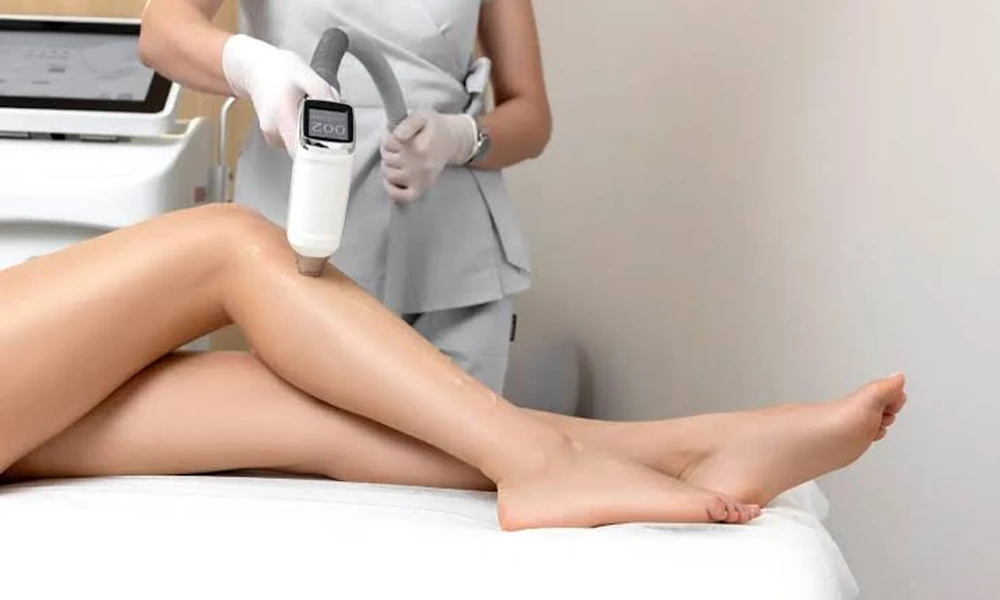
When building a shortlist, preserve the name used for the service and record whether its technology is clearly identified. If a page says only light-based hair reduction, do not fill the gap from a photograph of equipment. Similar cabinets, handpieces or display screens are not reliable identifiers for a buyer.
A local example, Elysium Beauty’s laser service page, names several systems within its Vaughan hair-removal offering. Keep the page’s specific terminology in the comparison rather than shortening every system to the same generic entry. The next useful detail is which system is actually being proposed for the appointment you are considering.
There is an important distinction between equipment available at a business and equipment selected for one person. A menu containing several names is not a record that all of them would be used. Ask for the actual proposed technology when that detail is unclear, so the offer you evaluate is the offer being discussed.
Also distinguish the manufacturer from the treatment category. A company can make more than one kind of equipment, and a platform name may not tell a reader everything about its configuration or intended use. Avoid treating recognition of a brand as proof that the light source has been identified correctly.
Once the answer is clear, use that wording consistently in your own notes. Otherwise an accurate explanation received by email can be flattened back into “laser” when copied into a price comparison. Save the meaningful information alongside the offer instead of relying on memory to restore it later.
If you cannot establish the technology, leave the entry marked as unspecified. That is more honest and more useful than assigning a category because another branch of your search used it. The gap identifies a missing fact; it does not mean you must guess before the shortlist can be considered finished.
The category name leaves important differences within it
Even a correctly identified laser category does not complete a treatment decision. Health Canada lists device choice, operator training and skill, the energy characteristics used, and the person’s skin and hair colour among relevant factors. These are reasons to seek a properly assessed service, not instructions to choose settings from a brochure.
Keep the operator and the equipment in the same discussion. An impressive system name cannot establish who will assess you, who will perform the procedure or what experience they have with the relevant treatment. Equally, a friendly description of the provider does not identify the device. Both sides of the actual service need to be understandable.
Licensing is another specific question. Health Canada advises ensuring that a laser device is licensed for the intended procedure. A statement that a business uses modern technology does not identify that licensed use. Seek the relevant information through the provider and appropriate official sources rather than inferring it from the category name.
Do not use the comparison to reproduce a friend’s treatment plan. Even if you establish that the same category was involved, that does not establish your suitability or the appropriate delivery of care. The technology description helps you understand what is being offered; it does not turn another person’s experience into your instructions.
Return to the shortlist and correct its names. One row may now say IPL, another a named laser system and another technology not yet specified. That more accurate list is a useful result in itself: it stops a shared promise of less hair from hiding differences in the services you are actually considering.

Comments are closed.