

Category

Skin Care

Category

Read the words beside a sunscreen’s numbers before comparing bottles. An SPF value and a water-resistance claim expressed in minutes describe different information. Neither gives you a personal allowance to stay outdoors after a facial. Keep the product’s directions together with any instructions for the actual treatment, rather than choosing whichever prominent number looks largest.

This is an easy mistake to make while repacking a beauty bag. One bottle displays an SPF prominently; another gives considerable space to its water-resistance claim. A photograph crops out the small print, and the saved image becomes a shorthand shopping reference. By the time you leave for an appointment, you remember a number but not what it measured.

Find the unit beside the prominent number

Start with the complete front label, then turn the bottle around. Find SPF, any broad-spectrum wording, the water-resistance description and the directions. Do not combine the figures into a new rating. If a retailer’s image is too small to read, use the actual packaging or obtain a clear current label before relying on the image.

Health Canada’s sunscreen guidance recommends broad-spectrum SPF 30 or higher and following the label. It also explains that SPF is affected in practice by factors including how much is applied and how often. The number is not an instruction to multiply the time you would otherwise spend in sunlight.

SPF expresses relative protection against sunburn under the conditions used to assess it. Health Canada describes it by comparing how long protected and unprotected skin would take to burn when the recommended amount is used. That comparison is useful for understanding the rating; it is not a calculation that can predict your own afternoon from a remembered time to burning.

Broad-spectrum wording answers a separate question about the range of ultraviolet protection. Health Canada explains that it covers UVA and UVB; UVB is the main cause of sunburn. A shopper seeking that wider coverage needs to find the wording, rather than assume a large SPF numeral communicates every part of the label.

Water resistance describes a tested condition

The United States FDA’s label explanation describes 40- or 80-minute water-resistance claims in relation to swimming or sweating. These are US labelling examples, useful for understanding the wording a shopper may encounter. They should not replace the directions on a product sold in Canada.

Look at what surrounds the claim. The relevant information includes the activity, the reapplication directions and what happens after towelling. Reading only the minutes loses those conditions. A label is a set of connected instructions, rather than a menu from which to select the most convenient number.

Do not make water resistance the sole comparison for an afternoon that has no planned swim. You still need to understand the rest of the product and its directions. Conversely, a walk that becomes active enough to involve sweating is a reason to revisit those directions, rather than rely on the quiet itinerary you imagined in the morning.

The application clock and the water-resistance interval can begin at different moments. Someone may apply sunscreen before leaving home and start swimming much later. The product’s reapplication instructions still need reading across that sequence; the water-resistance description does not restart every other instruction when the person enters the water. Nor does towelling become irrelevant because the printed minutes have not elapsed.

A facial does not supply a new sunscreen timetable

After an esthetic service, use the instructions appropriate to the procedure you received. A general article cannot decide whether your original outdoor plan remains appropriate. If the plan depends on spending time outside, discuss it with the provider beforehand and obtain qualified healthcare advice when your circumstances require it.

Keep the appointment name with that conversation. For a chemical peel listed among the Thornhill esthetic appointment options at Santé Healing Spa, name that proposed procedure when discussing your outdoor plans. Do not carry instructions from a previous cleansing facial into a peel booking merely because both appear under esthetic services.

A practical question is whether the provider’s instructions and your intended activities can both be followed. Describe the activities accurately: an outdoor table, a walk to meet someone or a longer excursion. Do not ask for a sunscreen number that will make an incompatible plan work. Changing the outing may be the useful decision.

Record any individual instructions in their original terms. If an instruction is unclear, resolve it with the person responsible instead of translating it into the water-resistance minutes on a bottle. The treatment discussion and the sunscreen directions can remain together in your notes while retaining their separate purposes.

Take the readable bottle into the afternoon

The bottle also belongs beside the rest of the sun-protection plan. The FDA’s guidance includes shade and protective clothing, since sunscreen does not block all ultraviolet radiation. A hat or a shaded meeting place can remain part of the outing rather than disappearing when a higher-numbered bottle is purchased.

Carry a product you can identify and read. A small unlabelled container may be convenient, but it separates the contents from directions and expiry information. A saved label photograph can be helpful alongside the original product; make sure it belongs to that version, rather than an older item with similar packaging.

Health Canada advises reapplying sunscreen at least every two hours during exposure and potentially more often with swimming, sweating or towelling. It also recommends avoiding storage in extreme heat and checking expiry. These are ordinary product-use considerations, not a special routine that begins only when a facial has been booked.

Leave with the instructions available, the outing adjusted where necessary and each number attached to its meaning. You can then read a label when circumstances change, without reconstructing the afternoon around a figure that was never a personal time allowance.
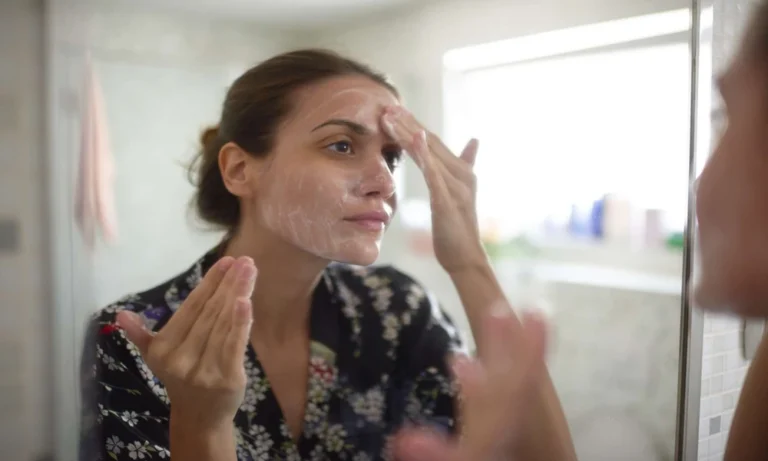
Dry and sensitive skin needs consistent care to remain healthy, hydrated, and comfortable. Environmental factors, harsh skincare products, and even daily habits can weaken the skin’s natural barrier, leading to dryness, redness, and irritation. A thoughtful skincare routine focuses on protecting the skin while supplying the moisture it needs. Adopting a few simple skincare practices can help maintain healthy skin while minimizing irritation.

Creating an effective skincare plan starts with understanding the importance of consistency rather than using a large number of products. Following a comprehensive Skincare Routine Dry Sensitive Skin Guide can help you choose gentle products, apply them in the correct order, and avoid ingredients that may trigger irritation. A simple routine focused on cleansing, moisturizing, and protecting the skin barrier often delivers better long-term results than frequently changing products or using overly aggressive treatments.

Understand Your Skin’s Needs

Before choosing skincare products, take time to understand how your skin reacts to different ingredients and environmental conditions. Dry and sensitive skin often benefits from products that are simple, fragrance-free, and designed to strengthen the skin barrier.

When shopping for skincare products, look for:

  • Gentle, non-irritating formulas
  • Fragrance-free options
  • Moisture-supporting ingredients like glycerin and ceramides
  • Products suitable for sensitive skin

Choosing products carefully helps minimize irritation and supports long-term skin health.

Cleanse Without Overwashing

Cleansing removes dirt, sweat, and impurities, but washing too frequently can strip away natural oils that keep the skin protected. Cleanse your face twice a day using a mild cleanser and lukewarm water.

Avoid scrubbing the skin aggressively. Cleanse using light circular movements, then gently dab the skin dry with a clean, soft towel.

Apply Moisturizer While Skin Is Damp

Moisturizing immediately after cleansing helps trap water in the skin. This simple habit improves hydration and strengthens the skin’s protective barrier.

A moisturizer containing ingredients such as hyaluronic acid, squalane, or shea butter can help reduce dryness while keeping the skin soft throughout the day.

Introduce Active Ingredients Gradually

People with sensitive skin should avoid using several new products at the same time. If you want to include ingredients such as retinol or exfoliating acids, introduce only one product at a time and use it sparingly at first.

Monitor your skin for signs of irritation, including redness, burning, or excessive dryness. If irritation does not improve, stop using the product and consult a skincare professional or dermatologist.

Protect Your Skin Every Day

Sun exposure can worsen dryness and increase skin sensitivity. Daily sun protection is an important part of every skincare routine, regardless of the season.

Choose a broad-spectrum sunscreen with SPF 30 or higher that is suitable for sensitive skin, and reapply it as directed when spending extended time outdoors.

Support Your Skin with Healthy Habits

Healthy skin depends on both skincare and lifestyle choices. Simple everyday habits can help improve your skin’s condition over time.

Helpful practices include:

  • Drinking enough water each day
  • Limiting long, hot showers
  • Using a humidifier during dry weather
  • Washing pillowcases and towels regularly
  • Avoiding products with strong fragrances

These habits help maintain the skin’s moisture balance and reduce unnecessary irritation.

Finding a facial sunscreen that provides effective protection without leaving behind a heavy, oily residue can feel like a challenge. Many people skip sunscreen because they dislike the greasy feeling some formulas leave on the skin. Fortunately, modern sun protection products are designed with lightweight textures that absorb quickly and feel comfortable throughout the day.

If you’re searching for the best sun creams for your face, knowing what ingredients and formulas to look for can help you find a product that fits your skin type and daily routine.

Why Lightweight Sunscreen Matters

Daily sun protection is essential for maintaining healthy-looking skin. Exposure to UV rays can contribute to:

  • Premature aging
  • Uneven skin tone
  • Dark spots and hyperpigmentation
  • Fine lines and wrinkles
  • Sunburn and skin damage

The good news is that today’s best sun creams for the face are formulated to provide broad-spectrum protection without the thick, greasy feel associated with older sunscreen products.

What Makes a Sun Cream Feel Lightweight?

Not all sunscreens are created equal. Some formulas are specifically designed to absorb quickly and leave a comfortable finish.

Look for features such as:

  • Fast-absorbing textures
  • Non-greasy formulations
  • Lightweight fluids or gels
  • Oil-free ingredients
  • Invisible or sheer finishes

These characteristics help sunscreen blend seamlessly into your skincare routine while remaining comfortable under makeup or on bare skin.

Best Ingredients for Lightweight Sun Protection

Hyaluronic Acid

This moisture-attracting ingredient helps keep skin hydrated without adding heaviness.

Benefits include:

  • Lightweight hydration
  • Improved skin comfort
  • Smoother-looking skin

Antioxidants

Ingredients such as Vitamin E can help support the skin’s defense against environmental stressors.

Advantages:

  • Additional skin protection
  • Support for healthy-looking skin
  • Improved overall skin care benefits

Oil-Control Technology

Many products designed as sunscreen for oily skin with SPF 50 include ingredients that help absorb excess oil and reduce shine throughout the day.

These formulas can help:

  • Control greasy-looking skin
  • Maintain a matte finish
  • Improve comfort in humid weather

Choosing the Right Sunscreen for Oily Skin

Individuals with oily or combination skin often struggle to find a sunscreen that doesn’t feel heavy.

When selecting a sunscreen for oily skin SPF 50, look for:

  • Non-comedogenic formulas
  • Lightweight textures
  • Matte-finish products
  • Oil-free ingredients
  • Broad-spectrum UV protection

These features can help protect the skin without contributing to excess shine or clogged pores.

Sun Creams for Sensitive Skin

Sensitive skin requires special consideration when choosing sun protection.

A quality sun cream for sensitive skin formula should prioritize both protection and comfort.

Look for products that are:

  • Dermatologically tested
  • Fragrance-free when possible
  • Suitable for sensitive skin types
  • Gentle enough for daily use

Using the right sun cream for sensitive skin product can help minimize irritation while ensuring reliable UV protection.

Signs You’ve Found the Right Sunscreen

The ideal sunscreen should feel so comfortable that you forget you’re wearing it.

A good lightweight sunscreen will:

  • Absorb quickly
  • Leave minimal residue
  • Work well under makeup
  • Avoid pilling or flaking
  • Keep skin feeling comfortable throughout the day

Many of the best sun creams for the face are specifically formulated to meet these expectations while delivering effective protection.

Tips for Applying Sunscreen Correctly

Even the best sunscreen can only provide optimal protection when applied properly.

Follow these simple tips:

  • Apply sunscreen as the final step in your morning skincare routine.
  • Use enough product to cover your entire face and neck.
  • Reapply every two hours when outdoors.
  • Don’t forget commonly missed areas such as ears and hairlines.
  • Apply sunscreen daily, even on cloudy days.

Consistency is one of the most important factors in maintaining healthy, protected skin.

Conclusion

The days of thick, greasy sunscreens are largely behind us. Modern formulas offer lightweight textures, powerful UV protection, and comfortable wear for a variety of skin types. Whether you’re looking for a sunscreen for oily skin SPF 50 or a gentle sun cream sensitive skin formula, there are plenty of options designed to fit seamlessly into your daily routine. By choosing a lightweight sunscreen and using it consistently, you can help protect your skin while keeping it comfortable, fresh, and healthy-looking every day.