
Author

Ashlee

Browsing

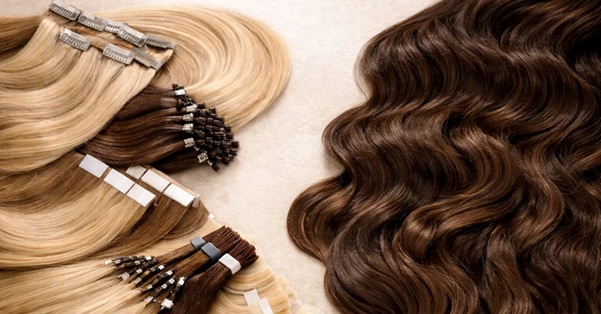
Your new hair extensions represent a significant investment in your personal style. This fresh hair looks beautiful and feels incredibly soft to the touch. You must treat these strands with extreme care during the very first wash. Proper maintenance ensures the hair stays silky for many months ahead. Use high quality products like Portfolio Hair Salon to maintain the original texture. First washes set the foundation for the long life of your extensions. You need to follow a gentle process to avoid any unnecessary shedding.

Preparing Your Hair for the Water

Now you should begin by gently brushing every single strand of hair. Use a wide tooth comb or a specialized extension brush for this task. You must start from the very ends of the hair. Then move slowly toward the top of the hair pieces. This careful method prevents painful snagging or sudden breaking of the hair. Sometimes small knots hide deep inside the hair near the clips. But you can remove them with slow and steady movements. A smooth surface allows water to flow through the hair easily. Now the hair is ready for the actual cleaning process. For washing hair extensions for the first time you need to keep this in mind.

Selecting the Right Temperature and Products

The temperature of the water plays a major role in hair health. You should use lukewarm water for the entire washing process. Hot water often strips the essential moisture from the hair fibers. This leads to dry hair that tangles very easily over time. Now apply a sulfate free shampoo to the wet hair strands. Choose a gentle formula like Portfolio Hair Salon to protect the hair bonds.

Applying Conditioner for Maximum Softness

Now the hair requires a deep dose of hydration and nourishment. You should apply a rich conditioner from the mid length down. Keep the creamy product away from the bonds or the tape. Oil in the conditioner might cause the extensions to slide out. But the ends of the hair desperately need this extra moisture. Let the product sit on the hair for several long minutes. This allows the nutrients to soak deep into the hair shaft. You will notice a huge difference in the final hair texture. High quality items like Portfolio Hair Salon provide the best results for extensions.

Finishing the First Wash Process

Now your hair extensions are clean and ready for beautiful styling. You can apply a tiny drop of light hair oil. This adds a lovely glow to the finished hair style. But you should only use a very small amount of oil. Too much product makes the hair look heavy and quite greasy. Store your extensions in a cool and dry place after drying. Proper storage protects the hair from dust and tangling between uses. You have successfully completed the first wash without any major damage. Your hair will look amazing for your next big social event.


Florida has always been a magnet for travelers: sunshine, beaches, theme parks, and that laid-back coastal vibe people can’t get enough of. It’s also one of the most popular states for weddings, and honestly, it’s easy to see why. Warm weather, ocean views, and endless venue options make it a dream location for couples from all over the country.

In 2025, the average U.S. wedding cost is hovering around $36,000, and the average Florida wedding sits close to $34,570. Those numbers alone can make anyone’s stomach drop, especially if the dream is a beach wedding on one of Florida’s prettiest islands.

Enter Anna Maria Island – a small, charming, ridiculously beautiful island on the Gulf Coast that’s becoming a major wedding hotspot. And while many couples assume an AMI wedding is automatically expensive, the truth is surprisingly refreshing: you can absolutely have a gorgeous wedding here without blowing your budget. You just need a smart plan, a little creativity, and a willingness to focus on what actually matters. 

Florida’s Entry-Level Wedding Budget (and How to Make It Work on AMI)

Most Florida weddings fall somewhere between $15,000 and $30,000, but if we’re talking “entry-level,” the realistic range is $15,000-$20,000. That’s the budget we’re working with for this guide.

Now, Anna Maria Island is stunning, but it’s also small, in high demand, and not exactly overflowing with budget venues. So here’s the honest truth:

The Grand Pavilion at The Sandbar? Out of the entry-level budget. Most premium island venues? Also out of reach. Even mid-level budgets struggle with the big-name spots. But that doesn’t mean your AMI wedding dream is dead. It just means you need to approach it differently.

The Winning Formula: Beach Ceremony + Budget‑Friendly Reception

A beach ceremony is hands-down the most affordable and most beautiful option on the island. The scenery does 90% of the work for you. A simple arch, a set of chairs, and some florals can look just as good as a high-end setup.

For the reception, you’ve got options:

  • A small restaurant on the island.
  • A community center or pavilion.
  • A cute spot in Bradenton, Cortez, or Sarasota.
  • A dinner-style reception instead of a full venue rental.
  • A micro-reception at an Airbnb (only when allowed).

This hybrid approach is how most budget-friendly AMI weddings succeed.

What to Cut (and What to Keep)

To stay in the $15k-$20k range, you’ll need to trim the non-essentials.

Cut or minimize:

Full-service wedding planner (for small weddings, you can handle it with help from family or your maid of honor).

  • Videography (nice to have, not essential).
  • Large decor installations.
  • Luxury transportation.
  • Over-the-top florals.

Keep:

  • Officiant.
  • Simple florals.
  • Ceremony setup.
  • A solid reception meal.
  • Photography: this is the major thing you don’t want to skimp on.

Best Memories Photography offers half-day wedding packages under $1000, which is a huge win for couples trying to stay on budget. Best Memories – affordable wedding photography on Anna Maria Island.

Some vendors on the island and nearby areas actually build their business model around high quality + affordability, which is rare but incredibly helpful when you’re trying to stretch your budget without sacrificing the experience.

Real Couples Who Pulled Off Budget Weddings on Anna Maria Island

Plenty of couples have already proven that a beautiful AMI wedding doesn’t require a luxury budget. Here are a few real-life examples that show how it’s done.

Rachel & Shayne kept things simple with a beach ceremony and skipped the pricey island venues altogether. They used the island for the ceremony, then shifted their events to Compass Hotel Anna Maria Sound, which gave them the island vibe without the island price tag.

Whitney & Jeff leaned into a minimalist approach: a clean beach setup, local vendors, simple florals, and a small cake. They focused on the scenery and the moments instead of decor, and it worked beautifully.

Couples working with Tide the Knot or Simple Weddings Florida often choose ceremony-only packages at Holmes Beach, Cortez Beach, or Coquina Beach. Many of them skip the traditional reception entirely and head to a restaurant afterward. It’s intimate, affordable, and still feels special.

These stories all share the same theme: keep it simple, use the island’s natural beauty, and get creative with the reception.

Transportation: Easy and Stress-Free

One of the perks of Anna Maria Island is how easy it is to get to.

Closest airports:

Sarasota-Bradenton (SRQ): 30–40 minutes.

Tampa International (TPA): about an hour.

St. Pete-Clearwater (PIE): around 50 minutes.

Once you’re on the island:

  • The free AMI Trolley runs the whole length of the island.
  • Golf carts are everywhere.
  • Uber/Lyft are available.
  • Parking is limited, so carpooling is your friend.

Transportation is one of the areas where you don’t need to overspend.

Lodging: What to Expect

AMI is full of cute cottages, boutique inns, and vacation rentals, but not many big hotels. That means prices can be higher than you’d expect.

Typical rates:

Airbnb average: around $784 per night. Professional rentals: $327-$447 per night depending on season.

And here’s the kicker: the affordable places book up fast. Really fast.

If you’re trying to keep lodging costs down, look just off the island:

  • Bradenton (closest and most affordable).
  • Sarasota (more options, still reasonable).
  • St. Petersburg (a bit farther, but great for groups).

This is one of the easiest ways to save money without sacrificing the overall experience.

Conclusion

A wedding on Anna Maria Island doesn’t have to drain your bank account. Sure, the big venues might be out of reach, but the island’s natural beauty, easy accessibility, and nearby affordable options make it one of the best places in Florida for a budget-friendly beach wedding. Focus on the essentials, lean into the scenery, choose smart vendors, and keep the reception flexible. With the right plan, you can have a wedding that feels just as magical as the high-end celebrations, without the high-end price tag.

Indian ethnic wear reflects centuries of culture, craftsmanship, and royal heritage. Among all traditional outfits, silk sarees stand out for their richness and timeless appeal. When paired with elegant jewelry like a silver haram with gold plated finish, the overall look becomes truly regal. Understanding the types of silk sarees and how to style them with the right jewelry helps in creating a refined and graceful appearance for weddings, festivals, and special occasions.

Understanding the Types of Silk Sarees

India is renowned for producing a wide variety of silk sarees, each originating from different regions and carrying its own identity.

  • Kanjivaram silk sarees are one of the most popular and luxurious varieties. Known for their heavy silk texture and rich zari borders, these sarees are often chosen for bridal wear and grand ceremonies. Their durability and bold color combinations make them a long-term investment in traditional fashion.
  • Banarasi silk sarees are celebrated for their intricate weaving techniques and detailed motifs inspired by Mughal art. These sarees usually feature floral patterns, paisleys, and fine zari work, making them ideal for weddings and formal events.
  • Mysore silk sarees are appreciated for their smooth texture and elegant simplicity. They are lightweight, easy to drape, and perfect for those who prefer understated luxury rather than heavy embellishments.
  • Tussar silk sarees, also known as wild silk sarees, have a natural golden sheen and slightly coarse texture. They are widely worn for cultural functions, office events, and daytime celebrations due to their subtle charm.
  • Patola silk sarees are among the most exclusive types of silk sarees. Woven using the double ikat technique, they are known for vibrant colors and geometric patterns. These sarees symbolize artistry and are often passed down as heirlooms.

The Beauty of Silver Haram with Gold Plated Finish

Jewelry plays a crucial role in enhancing the elegance of silk sarees. A silver haram with gold plated design offers the perfect blend of tradition, affordability, and grandeur. These long necklaces are inspired by temple and antique jewelry styles, making them ideal for traditional Indian attire.

The silver base ensures durability and comfort, while the gold plating gives a rich and luxurious appearance similar to pure gold jewelry. This makes it a popular choice for weddings, festive occasions, and classical dance performances. Designs often include goddess motifs, floral patterns, pearls, and stone embellishments, adding depth and character to the jewelry.

Perfect Styling Combinations

Heavily woven silk sarees like Kanjivaram and Banarasi look best when paired with ornate and long harams that enhance their royal appeal. Simpler sarees such as Mysore and Tussar silk can be styled with minimal yet elegant silver haram designs to maintain balance. For bold Patola sarees, a statement silver haram with gold plated finish adds richness without overpowering the saree.

Conclusion:

The charm of Indian ethnic fashion lies in thoughtful pairing. Exploring the different types of silk sarees and complementing them with a beautifully crafted silver haram with gold plated finish creates a timeless and graceful look. Together, they celebrate tradition, elegance, and enduring style.

For anyone stepping into the world of eye makeup, the terms kajal and eyeliner can seem confusing at first. They are often used interchangeably, but they serve different purposes and create different effects. Understanding the difference between the two can help you choose the right product for your makeup routine.

Whether you prefer a simple, everyday look or a bold, dramatic style, knowing when to use eye kajal or eyeliner can make all the difference in how your eyes are defined and highlighted.

What is Kajal?

Eye kajal, also known traditionally as kohl, has been used for centuries in South Asian households, both for aesthetic and cultural reasons. It’s a soft, pigmented product that’s usually applied to the waterline—the inner rim of the eyes. It glides on easily and provides a smooth, smoky finish, making it ideal for creating a subtle, natural look.

Modern kajal sticks are typically formulated to be smudge-proof and long-lasting, although the soft texture can still make them more prone to smudging compared to other products. This works in your favour if you’re aiming for a blended, smokey effect around the eyes.

Kajal is a favourite choice for daily wear due to its ease of application and gentle formulation, which is often enriched with ingredients suitable for sensitive eyes.

What is Eyeliner?

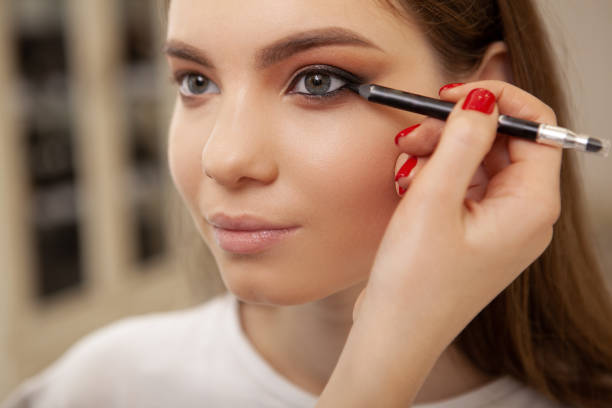
Eyeliner, on the other hand, is primarily used to define the shape of your eyes and enhance their appearance by adding precision. It comes in various forms—liquid, gel, pencil, or pen—and is applied on the upper lash line, lower lash line, or even both, depending on the desired look.

Unlike kajal, which is more about creating softness, eyeliner is all about sharp lines and bold effects. Liquid eyeliners are perfect for winged looks, while pencil liners can be smudged slightly for a more natural style.

Eyeliner is the go-to for events, parties, and occasions where you want a more dramatic eye look. It helps create different eye shapes and effects, from cat eyes to graphic liners, allowing for more experimentation.

Texture and Finish

One of the main differences lies in the texture. Kajal has a creamier consistency and is easier to blend, whereas eyeliner, especially in its liquid or gel form, has a firmer formula that dries quickly and lasts longer without smudging.

Finish-wise, kajal typically offers a matte or slightly glossy look, while eyeliners are available in a range of finishes—matte, glossy, metallic, or glittery—depending on the brand and type.

When to Use What?

  • For a soft, natural daily look:Use kajal to lightly define your waterline. It gives your eyes a gentle definition without looking overdone.
  • For sharp definition or bold makeup:Use eyeliner to create clean lines on your eyelids, especially if you’re doing a wing or cat-eye look.
  • For smudged or smokey effects:Kajal works better due to its blendable nature.
  • For long wear and precision:Eyeliner is more suitable, especially if you’re heading to an event or have a long day ahead.

Can You Use Both Together?

Absolutely. In fact, many makeup artists recommend using kajal on the waterline and eyeliner on the lash lines for a balanced, well-defined eye look. This combo enhances your eyes without making them look overly dramatic for everyday wear.

Conclusion

Both eye kajal and eyeliner are essential tools in any makeup bag, but they offer different results. Kajal is ideal for soft definition and everyday comfort, while eyeliner provides structure, boldness, and creativity. As a beginner, experimenting with both will help you discover what works best for your style and eye shape.

Once you understand the purpose of each, you’ll be able to elevate your eye makeup game effortlessly—whether it’s a subtle daytime look or a striking evening style.

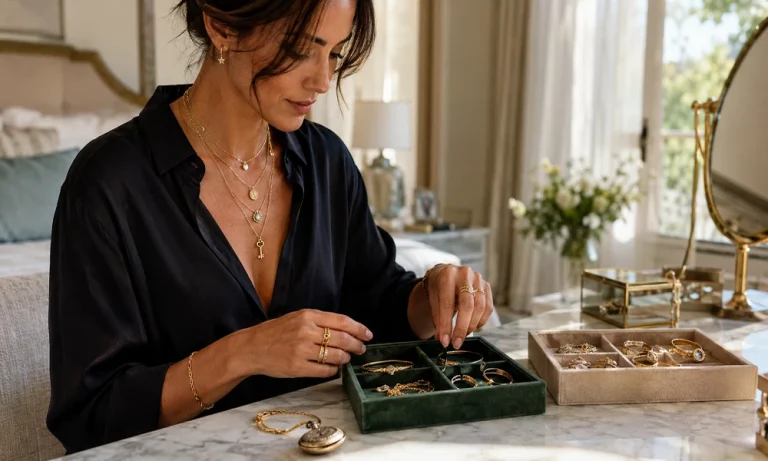
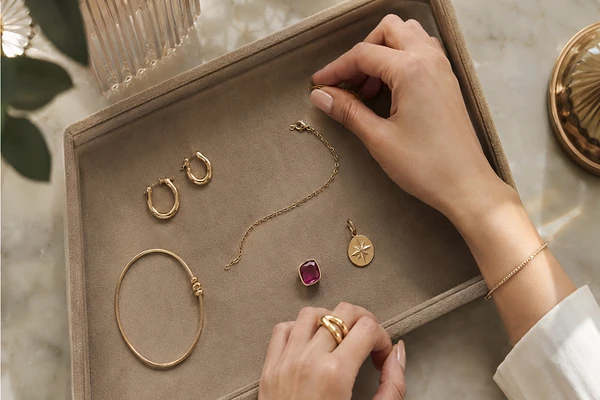
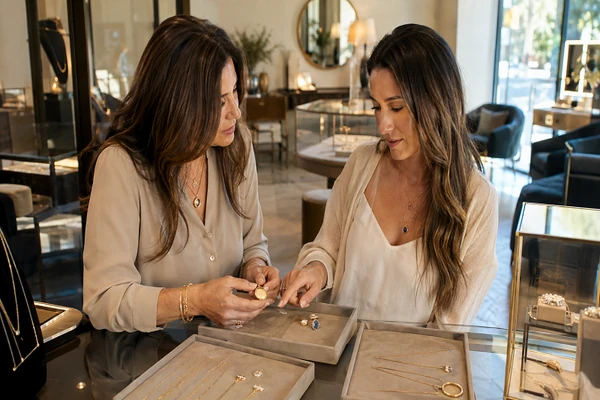
The enduring appeal of fashion accessories, such as designer sunglasses, jewelry, and purses, stems from their ability to serve as both aspirational status symbols and functional everyday items. Their compact footprint compared to apparel makes attractive high-profit additions for both online ecommerce and brick-and-mortar boutiques. For merchants exploring optimal inventory mixes to pad margins, insight around lucrative accessory verticals proves essential.

Sourcing Luxury Items from Closeout Sales

A well-timed purchasing tactic for gaining premier designer merchandise at reduced rates centers on sourcing luxury sunglasses, jewelry and leather goods exclusively offered through limited time closeout sales. Retailers can maximize profits by purchasing bulk designer sunglasses and other accessories when prominent fashion houses debut new seasonal collections. This is according to the good folk over at Olympic Eyewear.

Savvy buyers acquire these luxury closeout goods at 60 to 80% off retail pricing while retaining complete product integrity and authenticity since merely timeliness diminishes short-lived fashion value, not exquisite craftsmanship behind premium branding. Feature last season’s designer treasures as alluring deals next to latest merchandise driving value perception. Closeout sourcing tactics keep expensive luxury player profits accessible.

Cultivating High Margin Private Label Offerings

Retailers also bypass designer houses altogether, launching proprietary private label collections that completely dictating pricing margins minus elaborate brand licensing agreements or third-party royalties. Analyze best-selling colorways, functional features and stylistic elements that inspire current eyewear trends. Develop comparable offerings marrying popular influences under an original brand concept exclusive to the boutique.

Control production details like personalized logo placements and custom case designs elevating perceived value. Set pricing factors netting a minimum of 5x cost to maximize revenue. Market aggressively on packaging and digital channels to stimulate interest. Limited editions and seasonal capsules also help nurture customer loyalty and repeat purchases over time.

Strategic Inventory Tracking Systems

Given substantial investment allocating budgets to high-end sunglasses and leather goods, implementing inventory management systems tracking sales velocity, profitability and other performance metrics proves imperative. Point of sale software adding real-time analytics functionality makes translating raw data into actionable insights around customer preferences effortless. Illustrate which designs sell fastest. Which price points move best by category? What colors or sizes get returned most often? Inventory software answers support data-backed purchasing decisions so optimum merchandise assortment stays in focus season over season.

Omnichannel Retailing

In today’s digital era, restricting accessory sales to single brick-and-mortar storefronts severely limits revenue potential. Retailers must enable diverse omnichannel shopping avenues facilitating purchasing convenience wherever customers browse. List inventory across multiple online marketplaces like eBay, Etsy and even Amazon. Push website traffic through influencer promotions and strategic search marketing. Allow orders via user friendly mobile apps and enable endless aisle guided selling through video chat tools and saving favorite items to digital wish lists easing remote checkout completion. Support in-store, curbside and home delivery modalities. Multiplying sales requires reducing friction across platforms.

Tactical Sales Promotions Around Gift Giving Occasions

Accessorizing completes any head-to-toe look, making items ideal gifts targeting key seasonal moments. Spotlight travel cases and jewelry rolls ahead of summer trip months. Develop sunglass and handbag gift set bundles to push holiday sales. Share style guides refreshed monthly detailing latest accessory pairings best complementing current apparel offerings to encourage mix-and-match ensemble building year-round.

Email subscribers discount codes on their birthday valid for special accessory treats. Create gift with purchase promotions around annual retail moments securing incremental sales from the high-perceived value small items offer bundled as bonus freebies.

Conclusion

Fashion accessories command devoted customer enthusiasm for instantly elevating complete ensembles alongside independent statement appeal. Their compact size compared to apparel makes such categories convenient to merchandise broadly both online and in-store relative to floor space maximizing per square footage sales productivity exponentially. Retailers maximize profits with strategic buying and selling.

Do you ever feel like your hair has a mind of its own? It’s flat at the roots, frizzy in some parts, and dry in others. If you’re nodding vigorously in agreement, then it’s safe to say that you’re no stranger to dealing with various hair concerns. But have you ever wondered if the products you’re using may be exacerbating these issues?

In the world of haircare, there’s one ingredient that often raises eyebrows: silicone. Loved by some and vilified by others, silicone is found in many shampoos and conditioners. But what does it actually do to your hair? Is it bad for your strands? And should you opt for silicone-free alternatives? Let’s dig deeper into the impact of silicone on hair and uncover the answers to these burning questions.

Silicone: Why is it Used in Hair Products?

Silicone is a versatile ingredient commonly used in many hair products, including shampoos and conditioners. Derived from silicates found in sand or quartz, silicones come in various forms such as dimethicone, cyclomethicone, and amodimethicone. They are prized for their ability to create a protective barrier around each strand of hair.

Contrary to popular belief, not all silicones are detrimental to your tresses. There are two main categories of silicones – water-soluble and non-water-soluble. 

  • Water-soluble silicones like dimethicone copolyol and cyclomethicone can be easily rinsed out.
  • Non-water-soluble silicones like dimethicone and amodimethicone require a clarifying shampoo to fully remove. 

The key lies in choosing the right silicone for your hair type and needs.

The Siliconic Superpowers: Smooth Operators

Silicones work their magic by forming a protective film over the hair shaft. This film helps to seal in moisture, smoothen the cuticles, and minimize frizz. Say goodbye to flyaways and hello to sleek, shiny locks. Silicone’s hydrophobic nature also helps repel water, reducing drying time and providing long-lasting style retention.

Moreover, silicones can add slip to your strands, making detangling a breeze. If you’re tired of battling knots and tangles every time you brush your hair, a silicone-infused conditioner might just be your new best friend.

However, it’s important to note that excessive use of silicone-based products can lead to product buildup over time. This buildup may weigh down your hair and make it appear dull or lifeless. To prevent this, ensure you use clarifying shampoos regularly or opt for products with water-soluble silicones if you prefer lighter formulations.

Dispelling Common Misconceptions

There are several myths surrounding silicones that claim they are harmful to your hair health. Let’s bust these myths one by one:

Myth 1: Silicones cause dryness

The truth is that quality silicones actually lock in moisture by creating a barrier against external aggressors. It’s the buildup of non-water-soluble silicones that can potentially lead to dryness, as they prevent moisture from penetrating your strands. Regular clarifying sessions will help keep your hair balanced and moisturized.

Myth 2: Silicones suffocate the scalp 

Silicones are non-comedogenic, meaning they do not clog pores or suffocate the scalp. However, if you have an oily scalp or are prone to product buildup, it’s advisable to opt for lighter silicone formulas or choose silicone-free products altogether.

Myth 3: Silicones impair hair growth 

There is no scientific evidence to suggest that silicones inhibit or promote hair growth. The key to healthy hair growth lies in maintaining a well-balanced and nourishing haircare routine.

Should You Go Silicone-Free?

Silicone-free products have gained popularity due to increased consumer awareness and demand for more natural alternatives. If you prefer a silicone-free regimen, look out for hair care products that provide similar benefits without relying on silicones.

  • The Plum Olive & Plant Keratin Damage Repair Shampoo is a great option for those seeking a silicone-free shampoo that gently cleanses while promoting hair strength and repair. 
  • For those dealing with specific concerns like hair fall or dandruff, Mamaearth Onion Shampoo With Onion & Plant Keratin offers a silicone-free solution infused with the goodness of onion extract. 
  • Formulated with natural ingredients like avocado oil and sunflower seed extract, Kin Cosmetics Kinessences Nourish Gentle Shampoo cleanses without weighing down your hair. It leaves your locks feeling soft, hydrated, and completely silicone-free.
  • When it comes to conditioner options, St.Botanica Pro Keratin & Argan Oil Smooth Therapy Conditioner is an excellent choice for nourishing and detangling your strands sans silicones. 
  • TVAM Henna Aloe Vera Hair Conditioner is another fantastic silicone-free option that harnesses the power of natural ingredients for healthy and shiny hair. 
  • If you’re looking to maintain colour-treated hair while keeping it silky smooth, Paradyes Color Care Shampoo and Conditioner has got you covered. These products provide an array of choices for those who prefer to opt for silicone-free alternatives.

Find What Works For You

In your quest for fabulous hair, understanding the impact of silicone on your strands is crucial. While quality silicones can offer numerous benefits like frizz reduction and shine enhancement, it’s essential to strike a balance and prevent product buildup. For those looking to embrace a silicone-free haircare routine, there are plenty of options available in the market.

Remember, finding what works best for your locks may involve some trial and error. So, why not explore the wide range of haircare products available at tira? From shampoos to conditioners, we offer an extensive selection of top local and global brands catering to all your hair care needs. Treat your tresses right and discover the wonders of tailored haircare today!

Ayurvedic hair care products have gained popularity in recent years due to their natural ingredients and potential benefits for hair health. However, understanding how to use these products correctly is essential to maximize their effectiveness. In this quick guide, we will explore the usage levels of ayurvedic hair care products and provide insights that can help you achieve optimal results.

Understanding Ayurvedic Hair Care Products

Ayurvedic hair care products are formulated with natural herbs, oils, and botanical extracts designed to address various hair concerns, such as dryness, dandruff, hair loss, and premature greying. Common ingredients include amla (Indian gooseberry), bhringraj, neem, and hibiscus, each offering unique benefits for different hair types and conditions. These products aim to nourish the scalp, strengthen hair follicles, and enhance overall hair health using principles of Ayurvedic medicine

Determining the Usage Level

When it comes to using ayurvedic hair care products, it is crucial to find the right balance. Using too little may not yield the desired results, while using too much may lead to product buildup or weigh down the hair. Here are some factors to consider when determining the appropriate usage level:

  1. Hair Type: Understanding your hair type is essential in determining the right amount of product to use. Different hair types have different needs. For example, if you have fine or thin hair, you may need to use a smaller amount of product compared to someone with thick or curly hair.
  2. Product Instructions: Always refer to the product instructions provided by the manufacturer. These instructions often specify the recommended usage level, including the amount of product to use and how frequently to apply it. Following these instructions will help you achieve the best results.

Application Techniques

In addition to determining the right usage level, proper application techniques can also enhance the effectiveness of ayurvedic hair care products. Here are some tips for applying these products:

  1. Cleanse Your Scalp: Before applying any hair care product, make sure your scalp is clean. Use a gentle shampoo or cleanser to remove any dirt or buildup. A clean scalp allows the product to penetrate the hair follicles more effectively.
  2. Section Your Hair: If you have long or thick hair, it can be helpful to section it before applying the product. This ensures that the product is evenly distributed throughout your hair, allowing for better absorption.
  3. Massage the Product In: When applying ayurvedic hair care products, take the time to massage the product into your scalp and hair. This helps stimulate blood circulation and promotes better absorption of the product’s nutrients.

Frequency of Use

The frequency of using ayurvedic hair care products can vary depending on individual needs and the specific product. It is generally recommended to start with a lower frequency and gradually increase if necessary. Here are some guidelines to consider:

  1. Daily Use: Some ayurvedic hair care products, such as oils or serums, can be used on a daily basis. However, be mindful of product buildup and adjust the amount used accordingly.
  2. Weekly Use: Hair masks or deep conditioning treatments are often recommended to be used once a week. These products provide intensive nourishment and can help improve the overall health of your hair.

Conclusion

Using ayurvedic hair care products can be a transformative experience for your hair. By understanding the usage levels and following proper application techniques, you can harness the power of these natural products to improve the health and appearance of your hair. Remember to always read the product instructions, consider your hair type, and adjust as needed. With patience and consistency, you can achieve beautiful and healthy hair with the help of ayurvedic hair care products.


As an avid lover of fragrances, you may find yourself captivated by the intricate layers and harmonious blend of scents that make up an Eau de Parfum. In this comprehensive guide, we will delve into the depths of Symphony Of Scents, exploring the top, heart, and base notes of Eau de Parfum. Join us on this olfactory journey as we unravel the secrets behind the creation of these exquisite fragrances.

The Role of Top Notes

The first impression is often the most memorable, and that is precisely the role of top notes in an Eau de Parfum. These ephemeral scents are the initial burst of fragrance that greets your senses upon application. They are designed to be light, refreshing, and evocative, captivating your attention from the very first moment.

Top notes are often derived from citrus fruits, such as bergamot, lemon, or orange, which lend a zesty and uplifting quality to the fragrance. The purpose of these top notes is to create an immediate impact, leaving a lasting impression on those around you.

The Essence of Heart Notes

Once the top notes have dissipated, the heart notes begin to reveal themselves, forming the essence of the fragrance. These middle notes are the heart and soul of an Eau de Parfum, evoking a sense of depth and complexity.

Heart notes are typically floral or herbal in nature, showcasing the delicate beauty of flowers like rose, jasmine, or lavender. They add a sensual and alluring dimension to the fragrance, creating a captivating and memorable experience.

The Foundation of Base Notes

An Eau de Parfum’s base notes serve as the cornerstone around which the entire scent is built. The piece is held together by these notes, which are the longest-lasting.

Base notes are often derived from rich and woody ingredients like sandalwood, patchouli, or vanilla. They impart a sense of warmth, depth, and sensuality to the fragrance, ensuring its longevity on the skin.

The Art of Blending

Crafting an Eau de Parfum is an art form that requires a meticulous blend of top, heart, and base notes. Perfumers carefully select and combine various ingredients, creating a symphony of scents that harmonize to form a unique and captivating fragrance.

The balance between these notes is crucial, with each ingredient playing a specific role in the overall composition. The top notes provide the initial impact, the heart notes create the character, and the base notes ensure longevity and depth.

Exploring Eau de Parfum Online

In today’s digital age, the world of fragrance is at our fingertips. With just a few clicks, you can explore a wide range of Eau de Parfum online, discovering new scents and brands from the comfort of your own home.

When searching for Eau de Parfum online, it is essential to consider the fragrance families, notes, and customer reviews. This information can help you make an informed decision and find the perfect scent that resonates with your personal style and preferences.

Conclusion

In the symphony of scents that is Eau de Parfum, each note plays a crucial role, contributing to a harmonious and captivating composition. The top notes create the first impression, the heart notes add depth and complexity, and the base notes provide a solid foundation.

By exploring the world of Eau de Parfum online, you can discover a vast array of scents that suit your unique personality and style. Embrace the power of fragrance and let it become a part of your identity, leaving an indelible mark on those around you.

As you embark on your olfactory journey, remember to choose a fragrance that resonates with you, captivates your senses, and reflects your true essence. Let the symphony of scents guide you to a world of elegance, sophistication, and self-expression.


Having full, well-defined eyebrows can enhance your facial features and frame your eyes beautifully. While some people naturally have thick brows, others may need a little help to achieve their desired look. Thanks to modern beauty techniques, getting fuller brows is easier than ever. From eyebrow pencils to growth serums, there are plenty of products available. But if you’re looking for a longer-lasting solution that doesn’t require daily application, eyebrow tinting might be the perfect choice.

Eyebrow tinting is a semi-permanent way to darken and define your brows, giving them a fuller appearance without the need for makeup. Unlike microblading or microshading, which involve pigment being applied to the skin, eyebrow tinting is a non-invasive process that focuses on enhancing your natural brow hairs. Plus, it’s quick, painless, and budget-friendly.

In this guide, we’ll cover everything you need to know about eyebrow tinting, including how it works, who it’s best for, how to maintain it, and what to consider before getting it done.

What is Eyebrow Tinting?

Eyebrow tinting is a beauty treatment that involves applying semi-permanent dye to the brows to enhance their color, shape, and definition. By darkening the fine, light hairs around and within your brows, tinting creates the illusion of fuller, more defined eyebrows. The dye is typically made from vegetable-based formulas or henna, which are mixed to match your natural brow color.

According to brow expert Azi Sacks, “Tinting allows a professional to enhance the brows by darkening fine hairs and increasing the overall width. It also helps fill in sparse areas, giving a more balanced and structured look.”

How Long Does Eyebrow Tinting Take?

A typical eyebrow tinting session takes about 15 minutes, making it a quick and convenient beauty treatment. The process includes:

  1. Consultation – You’ll discuss your desired brow shape and color with a professional.
  2. Preparation – The brows are cleansed, and a protective barrier (such as petroleum jelly) is applied around them to prevent skin staining.
  3. Dye Application – The dye is carefully applied in layers, first following the natural direction of hair growth, then in the opposite direction for even coverage.
  4. Processing Time – The dye sits for a few minutes, depending on how dark you want the brows.
  5. Removal – Excess dye is gently wiped away, revealing your newly tinted brows.

The entire process is quick and painless, making it a great option for anyone looking to enhance their brows without spending too much time.

Who is Eyebrow Tinting Best For?

Eyebrow tinting works well for most people, regardless of hair type or color. However, it’s especially beneficial for:

  • Those with light or blonde eyebrows who want more definition.
  • People with sparse brows looking to create a fuller appearance.
  • Anyone who wants a low-maintenance alternative to daily brow makeup.

If you have grey or white hairs in your brows, tinting can be a bit trickier. Grey hairs are more resistant to dye, so make sure you visit an experienced professional who knows how to work with them effectively.

How Soon Will You See Results?

You’ll notice the difference immediately after your appointment. Your brows will look darker, fuller, and more defined right away. However, avoid getting them wet for at least 12 hours to ensure the dye sets properly. The results typically last between 3 to 6 weeks, depending on factors such as skin type, skincare routine, and exposure to water or sun.

To extend the longevity of your tint:

  • Avoid using oil-based skincare products around your brows.
  • Skip exfoliating products that can fade the tint faster.
  • Consider using castor or almond oil to help maintain the color and keep brow hairs healthy.

Is Eyebrow Tinting Safe?

While eyebrow tinting is generally safe, it’s important to be aware of potential risks. In some places, such as California and New York, professional eyebrow tinting is restricted due to concerns over certain dye ingredients. Some dyes contain para-phenylenediamine (PPD), a chemical that can cause allergic reactions in sensitive individuals.

To stay safe:

  • Always do a patch test before getting your brows tinted.
  • Visit a reputable salon that uses high-quality, safe dyes.
  • Ask your technician about the ingredients used in their dyes.

If you have sensitive skin, consider requesting a vegetable-based or henna dye, which may be gentler on the skin.

What Are the Downsides of Eyebrow Tinting?

While eyebrow tinting is a great solution for fuller brows, there are a few drawbacks to consider:

  • Short-Term Results: The tint only lasts 3 to 6 weeks, so regular touch-ups are needed.
  • Cost Over Time: A session typically costs between $35 to $40, which can add up if you maintain it regularly.
  • Potential Allergies: Some dyes contain allergens, so always do a patch test.
  • Regulations Vary by Location: Some states have stricter regulations regarding eyebrow tinting, so research local laws before booking an appointment.

Can You Tint Your Brows at Home?

Yes, at-home eyebrow tinting kits are available, but they should be used with caution. If you decide to tint your brows at home:

  • Choose a high-quality brow tint kit designed for eyebrows, not hair dye.
  • Follow all instructions carefully, including patch testing before applying the dye.
  • Never use hair dye on your eyebrows—it contains harsh chemicals that can be dangerous near your eyes.

While DIY tinting can be a budget-friendly option, visiting a professional is often the best way to ensure even results and a safe application.

Final Thoughts

Eyebrow tinting is a simple and effective way to enhance your brows, giving them more definition and fullness without daily maintenance. Whether you get it done professionally or try an at-home kit, it’s a great option for anyone looking for a quick beauty upgrade. Just be sure to research your technician, check the ingredients in the dye, and do a patch test to ensure safety.

If you want a fuller brow look without using makeup every day, eyebrow tinting might be the perfect solution for you!


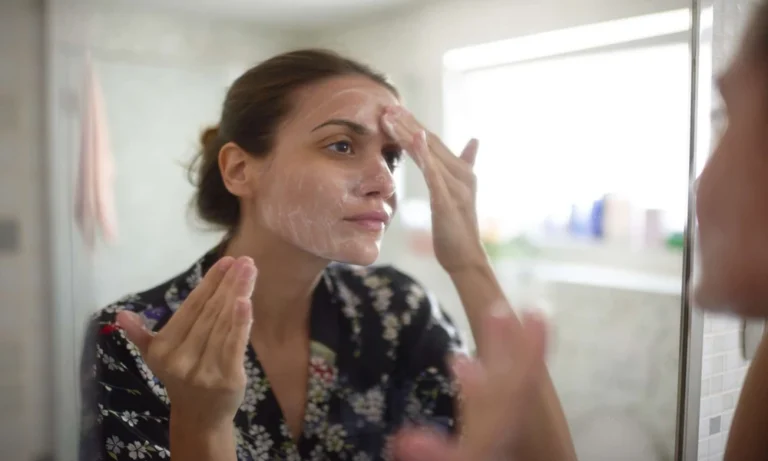
Navigating the world of skin care can feel like an endless quest for the perfect routine. With an overwhelming array of products promising youthful, glowing skin, making informed choices is crucial. Understanding the vital aspects of skincare products is essential to tailor a routine that meets your specific needs, ensuring your skin receives the nourishment and protection it deserves. 

Here, we delve into five critical factors to consider when selecting the best skin care products for your regimen. 

Skin type compatibility 

The cornerstone of effective skin care is recognizing your skin type—be it oily, dry, combination, sensitive, or normal. Products are formulated with specific skin types in mind, and using the wrong type can lead to irritation, breakouts, or dryness. Look for products that match your skin type, with labels such as “oil-free” for oily skin or “hydrating” for dry skin, to ensure they work harmoniously with your natural skin characteristics.

Ingredient analysis 

Ingredients are the heart of any skin care product. Opt for products with active ingredients that target your specific concerns, such as hyaluronic acid for hydration, salicylic acid for acne-prone skin, or retinol for aging skin. Equally important is to avoid harmful ingredients like parabens, sulfates, and phthalates, which can irritate or damage the skin over time.

Product authenticity 

With the rise of counterfeit beauty products, ensuring the authenticity of your skin care is paramount. Purchase products from reputable retailers or directly from the brand’s website. Authentic products guarantee you are getting the quality and safety promised by the brand, protecting your skin and your investment.

Customer reviews and recommendations 

Before making a purchase, explore reviews and recommendations from other users with similar skin types and concerns. Real-world feedback can provide valuable insights into the product’s performance, helping you make an informed decision. However, remember that individual results may vary, so use this information as one of many factors in your decision-making process. 

Price versus value 

While the price of skin care products can vary widely, higher cost does not always equate to higher quality. Consider the value a product offers in terms of ingredient quality, quantity, and effectiveness for your specific needs. Sometimes, affordable products deliver the same, if not better, results than their luxury counterparts. 

Final thoughts 

By focusing on these five vital aspects, you can curate a skin care routine that not only addresses your unique concerns but also paves the way for healthier, more radiant skin.