
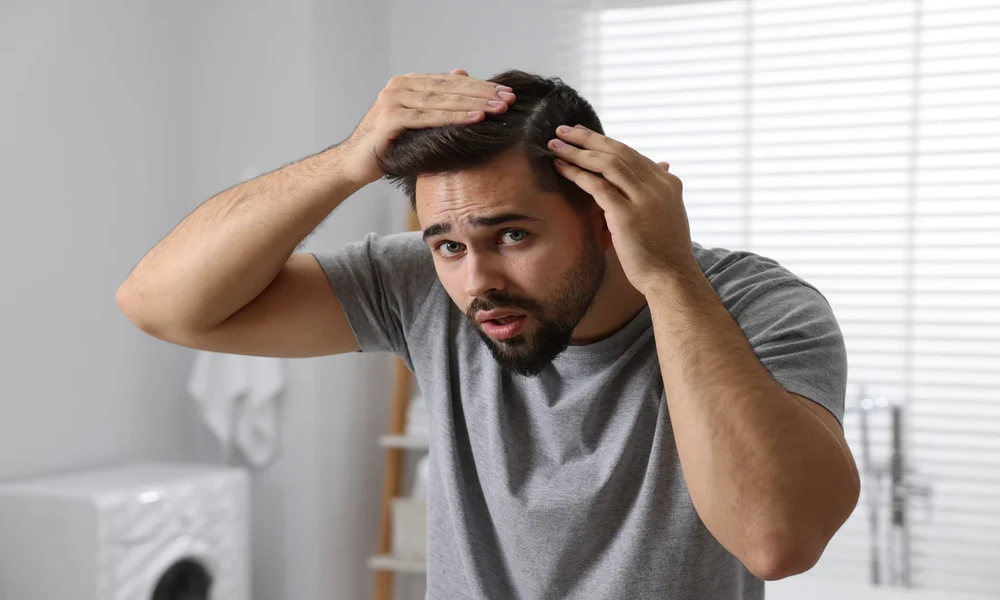
Dandruff can be frustrating, especially when it seems to improve for a while and then suddenly returns. Many people assume that their anti-dandruff shampoo has stopped working, but in reality, the issue is often linked to everyday hair care habits rather than the product itself.
Dandruff is a recurring scalp condition associated with factors such as excess oil production, scalp sensitivity, and the overgrowth of naturally occurring microorganisms on the scalp. Because these triggers can persist, dandruff management requires consistency. Understanding the common mistakes that interfere with your anti-dandruff routine can help you maintain a healthier scalp and reduce visible flakes over time.
Why Anti-Dandruff Routines Often Stop Delivering Results
One of the biggest misconceptions is that dandruff disappears permanently once flakes become less visible. In reality, stopping treatment too early or becoming inconsistent with scalp care can allow dandruff symptoms to return.
Common reasons anti-dandruff routines lose effectiveness include:
- Skipping shampoo days frequently
- Switching products too often
- Not cleansing the scalp thoroughly
- Using excessive styling products that build up on the scalp
- Washing only the hair lengths and not the scalp
- Ignoring excess oil and grease accumulation
- Discontinuing anti-dandruff products once symptoms improve
For people with oily scalps, these habits can be particularly problematic because excess sebum may contribute to scalp build-up and dandruff recurrence.
Key Takeaways
- Dandruff management requires ongoing scalp care.
- Inconsistent routines are a common reason flakes return.
- Oily scalp conditions often require regular cleansing and maintenance.
Which Products Are Essential for a 7-Day Hair Care Routine?
An effective 7-day scalp care routine focuses on cleansing, scalp maintenance, and consistency rather than using numerous products.
For individuals dealing with dandruff and oily scalp concerns, consider including:
- A clinically tested anti-dandruff shampoo
- A gentle conditioner applied primarily to hair lengths
- Lightweight hair styling products to minimise scalp residue
- A balanced cleansing schedule suited to your scalp type
A product containing Piroctone Olamine can be particularly beneficial as part of an anti-dandruff regimen. This ingredient is commonly used in anti-dandruff shampoos to help target dandruff-causing factors while supporting scalp comfort.
For oily scalps prone to dandruff, Head & Shoulders Deep Cleanse Dandruff Shampoo can fit into a consistent routine. Its sulphate-free formula helps cleanse excess oil, impurities, and scalp build-up while helping manage dandruff concerns. Regular use may support a cleaner-feeling scalp without the harshness often associated with stronger cleansing products.
Building a simple, sustainable hair care routine is often more effective than frequently changing products or trying multiple treatments at once.
Key Takeaways
- A simple routine is usually easier to maintain consistently.
- Anti-dandruff shampoos containing Piroctone Olamine can support dandruff management.
- Sulphate-free cleansing may help oily scalps feel fresh without over-stripping.
Mistakes to Avoid If You Have an Oily Scalp and Recurring Dandruff
People with oily scalps often face unique challenges. Excess oil can mix with dead skin cells, dirt, and styling product residue, creating an environment where dandruff symptoms may become more noticeable.
Here are some common mistakes to avoid:
Washing Hair Too Infrequently
Many people worry that frequent washing will damage their hair. However, allowing excessive oil and build-up to accumulate can worsen scalp concerns.
Using Too Much Dry Shampoo
Dry shampoo can be useful occasionally, but over-reliance may contribute to scalp residue and congestion.
Applying Conditioner Directly to the Scalp
Conditioners are generally designed for hair lengths and ends. Applying large amounts directly to the scalp may increase heaviness and greasiness.
Scratching or Picking at Flakes
Aggressive scratching can irritate the scalp and potentially worsen discomfort.
Frequently Changing Products
Switching shampoos every few weeks may prevent you from assessing whether a routine is truly working.
If you’re trying to get rid of oily dandruff, focusing on consistent scalp cleansing and maintaining a regular routine is often more effective than constantly experimenting with new products.
Key Takeaways
- Excess oil and product build-up can contribute to dandruff recurrence.
- Consistent cleansing is important for oily scalps.
- Avoid habits that may irritate or overload the scalp.
Which Products Are Essential for a 7-Day Hair Care Routine?
When planning a weekly scalp care routine, consistency matters more than complexity.
A practical approach may include:
Wash Days
- Cleanse the scalp with an anti-dandruff shampoo.
- Massage gently into the scalp.
- Rinse thoroughly.
Between Washes
- Avoid excessive touching or scratching.
- Minimise heavy styling product use.
- Keep hairbrushes and accessories clean.
For oily scalp concerns, a sulphate-free anti-dandruff shampoo such as Head & Shoulders Deep Cleanse can help remove excess oil and impurities while supporting ongoing dandruff management when used regularly.
Key Takeaways
- Weekly scalp care should focus on consistency.
- Gentle cleansing and scalp hygiene support long-term results.
- Sulphate-free anti-dandruff shampoos can fit comfortably into regular use.
Final Thoughts
If your anti-dandruff routine seems to have stopped working, the issue may not be the shampoo itself. More often, recurring dandruff is linked to inconsistent habits, excess scalp oil, product build-up, or stopping treatment too soon.
A well-structured routine that includes regular cleansing, appropriate scalp care, and an anti-dandruff shampoo containing ingredients such as Piroctone Olamine can help manage dandruff more effectively over time. While dandruff cannot typically be eliminated forever, it can often be controlled successfully through consistent long-term scalp care.
Key Takeaways
- Dandruff management is an ongoing process.
- Consistency is often more important than trying multiple products.
- Long-term scalp care habits can help reduce recurring flakes.
5 FAQs
1. Why does my dandruff keep coming back?
Dandruff may return when treatment is stopped, scalp oil builds up, or cleansing becomes inconsistent. Ongoing maintenance is often needed to keep symptoms under control.
2. Can an anti-dandruff shampoo stop working?
In many cases, the shampoo itself has not stopped working. Changes in scalp condition, inconsistent use, or product build-up are often the underlying reasons for reduced effectiveness.
3. What are the best everyday routines to manage an oily scalp and greasy hair like mine?
The best routine usually includes regular scalp cleansing, avoiding excessive styling products, washing according to your scalp’s needs, and using an anti-dandruff shampoo designed for oily scalp concerns.
4. What are the best everyday routines to manage an oily scalp and greasy hair like mine?
Focus on consistent washing, keeping the scalp clean, limiting heavy conditioners on the roots, and maintaining a simple scalp care routine that addresses both oiliness and dandruff.
5. Is a sulphate-free anti-dandruff shampoo suitable for oily scalps?
Many sulphate-free anti-dandruff shampoos are designed to cleanse excess oil and impurities while helping maintain scalp comfort, making them a suitable option for many people with oily scalps and dandruff concerns.

Comments are closed.